The Complete Guide to Door Handle Parts
It’s easy to think a door handle is just… a handle. But actually, it's made up of several smaller pieces that each do something quite important. Some keep the door shut, some help it open smoothly, and others are there just to make things look nicer. So, if you're planning to replace one, fix one, or just want to know what’s what, it’s useful to learn about the main door handle parts before you get stuck in.
In this guide, we’ll break down all the main parts of a door handle, explain what each bit does, and why it matters—especially if you're upgrading, repairing or choosing new door hardware components for your home.
Backplate

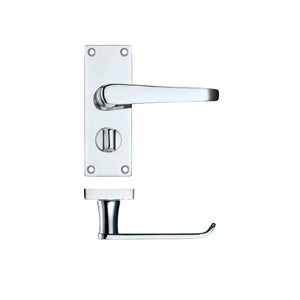
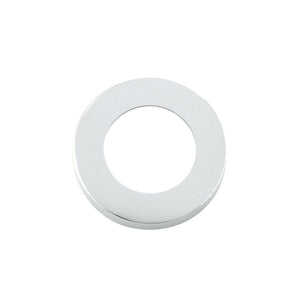
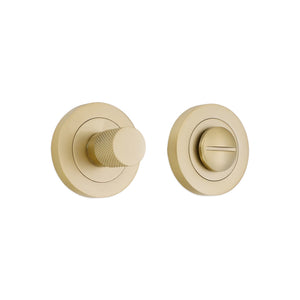
The backplate is the bit that sits flat against the door, right behind the handle or knob. You could say it's the backbone of the whole setup—it covers up the fixing screws, helps hold everything in place, and often adds a bit of polish to the look of your door.
There are loads of styles out there, from slim and simple to bold and traditional. So, the right backplate for door handles doesn’t just do a job—it can tie your whole design together, especially if you're aiming for a certain finish or theme. And if you're replacing old door hardware components, a well-matched backplate can make the whole thing look brand new again.
Spindle
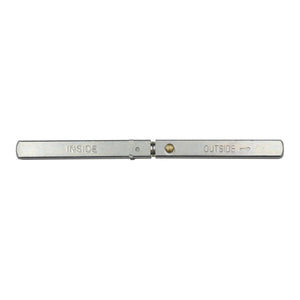
Now, this part is easy to miss, but it does a lot of the hard work. The spindle is that square metal rod running through the centre of the door, connecting both sides of the handle or knob. So, when you press the handle down, the spindle turns—and that’s what makes the latch pull back.
Spindles are usually made from steel or zinc alloy, so they’re built to last. Getting the right spindle for door handles means everything lines up and works smoothly, which is especially handy if you’re doing your own installation. Out of all the internal door handle parts, this one’s definitely one to double-check before buying replacements.
Latch Mechanism

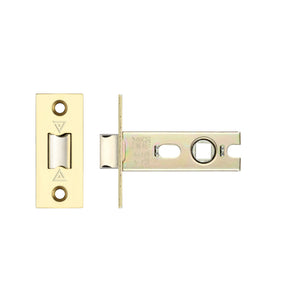
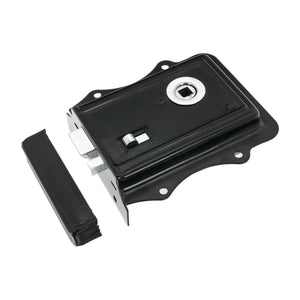
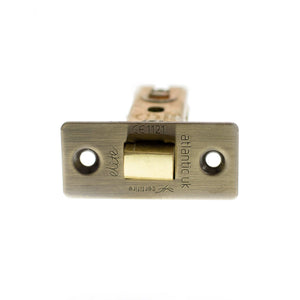
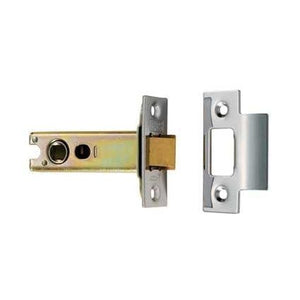
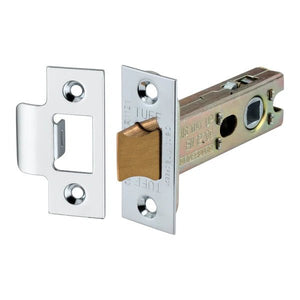
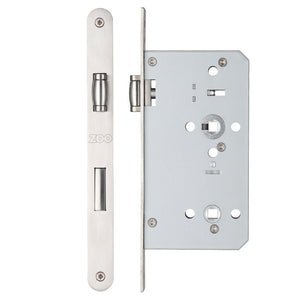
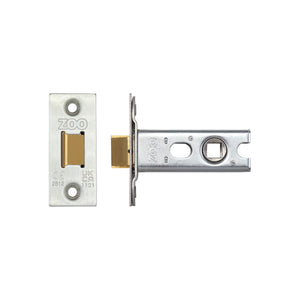
The latch mechanism is the bit that actually keeps the door shut. It’s hidden inside the door, but every time you turn the handle, it’s the latch that pulls back so you can open up. Let go of the handle, and it springs back into place to hold the door closed again.
There are a few different latch types, depending on your handle or knob setup—some are tubular, others are mortice-style. Either way, they all do the same basic thing. For anyone curious about how door handle parts work together, this one is the link between turning the handle and the door moving.
And yes, it works hand-in-hand with the strike plate.
Strike Plate
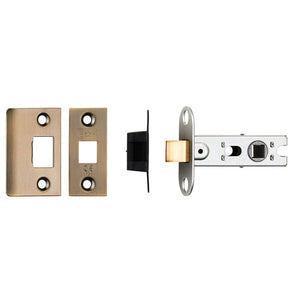
The strike plate is the small metal piece that fits into the door frame, lining up perfectly with the latch. Its job? To catch the latch when the door closes—and to protect the frame from wear and tear.
Without one, the latch would dig into the wood and wear it down pretty quickly. With one, you get a cleaner fit and a more secure close. These are usually included in latch kits, but not always, so it’s worth checking.
If you're upgrading door hardware components, matching the latch and strike plate is a small detail that makes a big difference.
Cylinder

If your door handle locks, then the cylinder is where the magic happens. It's the part that holds the locking mechanism—when you turn the key, the cylinder moves a cam or bolt to lock or unlock the door.
There are a couple of common types: Euro cylinders and Oval cylinders. Both do the same job, but they look different and fit different locks. Picking the right shape is key—literally—because if it doesn’t match your handle, it just won’t sit right.
Out of all the door knob components, the cylinder is one of the most security-focused. So, if you’re fitting a new handle on a lockable door, this is one to take seriously.
Knob or Handle
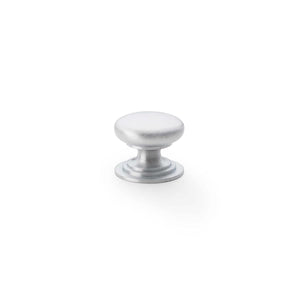
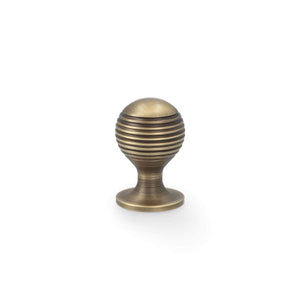
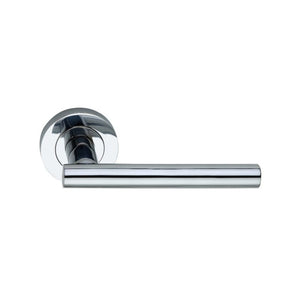
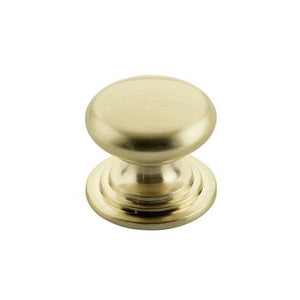
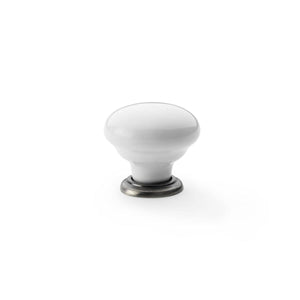
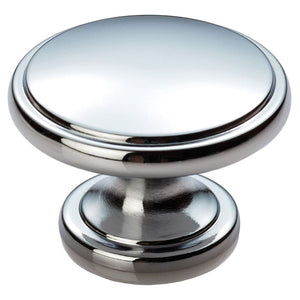
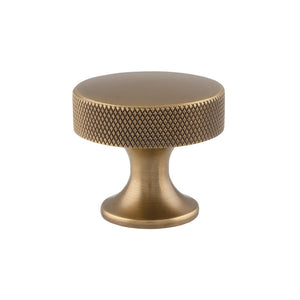
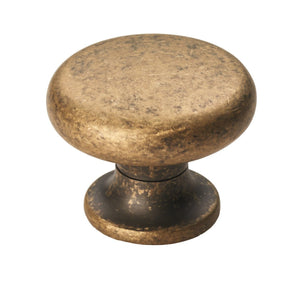
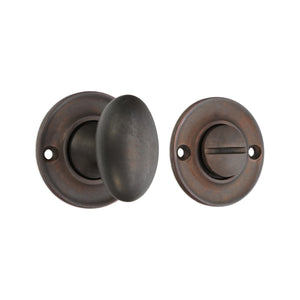
This is the bit you grab, twist, pull or push. It’s also the part that tends to get the most attention—because it's right there, front and centre. Whether you choose a classic door knob or a sleek door handle, this is where style and practicality meet.
Knobs tend to suit traditional interiors, while lever-style handles are easier for daily use, especially for younger kids or anyone with limited grip. There’s no right or wrong—just what suits your space and your routine.
Since this is the most visible of all door handle parts, picking something that looks and feels right is often what ties a room together.
Escutcheon

An escutcheon is basically a decorative cover for a keyhole. You’ll spot them mostly on traditional handle sets, especially where a door locks with an old-style key. They’re not essential, but they do neaten things up—framing the keyhole and keeping the area tidy.
You can get plain ones, ornate ones, round, square—you name it. They often match the finish of the backplate for door handles or the handle itself, so the whole thing feels more pulled together. If your door looks a little unfinished around the keyhole, an escutcheon can sort that in no time.
Door Handle Bar
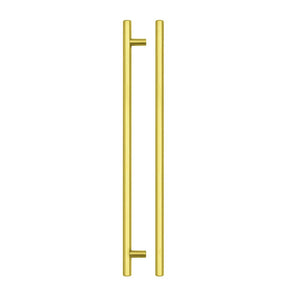
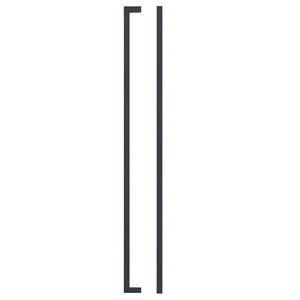
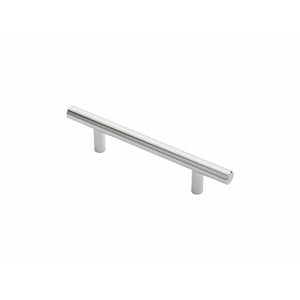
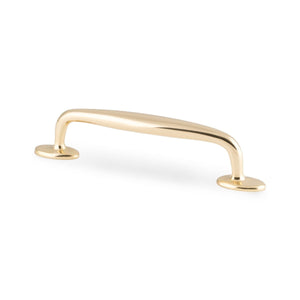
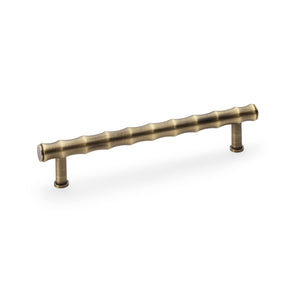
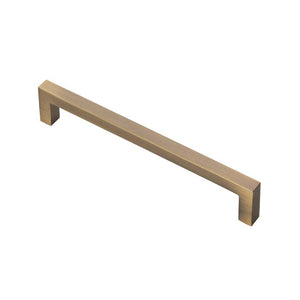
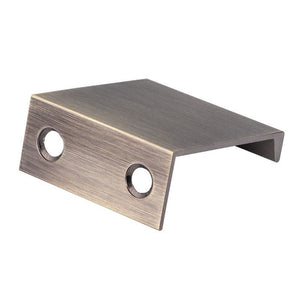
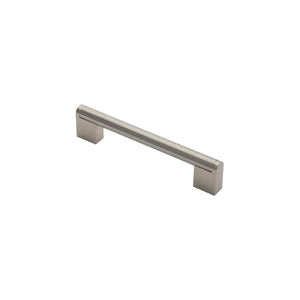
This one’s a bit different. A door handle bar is usually found on commercial doors, but it’s started popping up in modern homes too—especially on minimalist or industrial-style interiors. It’s a long bar, fixed either vertically or horizontally, designed more for pulling than turning.
You won’t see this type as much in the usual internal door handle parts mix, but it’s ideal where access needs to be quick, like on office doors or kitchen pantries. Style-wise, it adds a clean, bold look—plus, it’s easy to grip, which makes it practical too.
So, whether you're swapping out old knobs or giving your interiors a proper refresh, understanding the different parts of a door handle makes things that little bit simpler. It’s not just about looks—each piece plays its part in how the whole thing works.
Love Handles stocks a wide range of quality door hardware components—from spindles and latches to the knobs and backplates that bring it all together. If you're ready to get hands-on, we’ve got everything you need to make it work—and look great while you’re at it.