Bathroom Locks vs Occupied Signs: Which is Better for Privacy?
Privacy in the bathroom isn't just about comfort – it’s about feeling safe and unbothered in a space that, honestly, should never feel uncertain. Whether you’re mid-shampoo or fumbling with a towel, that little moment of doubt – is someone about to walk in? – can be surprisingly stressful.
So, what helps most: a good old-fashioned bathroom lock, or a clearly visible “occupied” sign?
That’s what we’re here to unpack.
From households and hotels to office loos and shopfloor toilets, getting bathroom security right tends to be more nuanced than most assume. Some solutions look simple but don’t always hold up. Others are sturdy but can be less than user-friendly.
This guide compares both to help you choose the best bathroom privacy solution for your space, your budget, and your users.
Understanding Bathroom Privacy Needs
Bathrooms might be personal spaces, but they’re not always private by default – not in homes, and definitely not in shared buildings. That’s where good privacy solutions really start to matter.
At home, it's usually about comfort – whether you're sharing with family or guests, no one wants that awkward knock mid-shower. But in workplaces, restaurants, or shops, privacy becomes about more than embarrassment. It’s about trust, accessibility, and user experience.
In shared or public areas, bathroom security isn't just physical – it's psychological. Users want to feel confident that no-one's about to burst in. Some people need visual reassurance, others rely on a firm click of a lock.
So the right solution depends on the setting, and understanding what your users really need.
How Traditional Bathroom Locks Work

Bathroom locks come in more shapes and styles than most people realise – and they’re all trying to do the same thing: keep the door shut when someone’s inside.
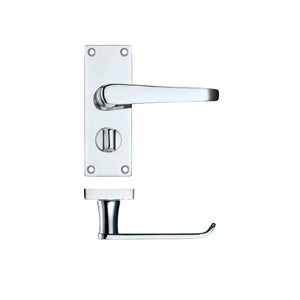
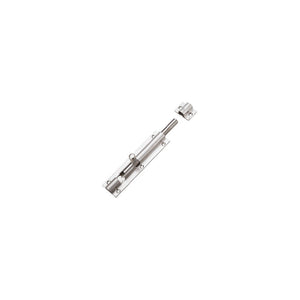
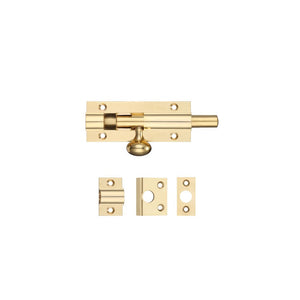
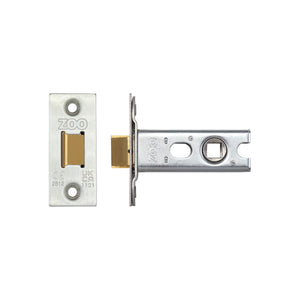
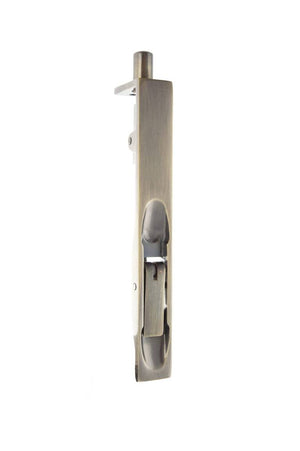
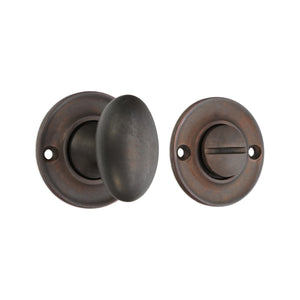
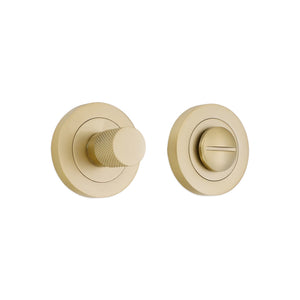
The classic slide bolt still shows up in older homes, but it’s not always the easiest to use. Push-button locks and turn-and-release designs tend to be more common now, especially in modern bathrooms. They’re usually built into the door handle, which makes them look tidier and feel more intuitive.
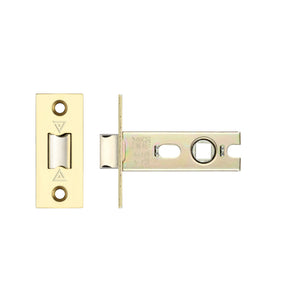
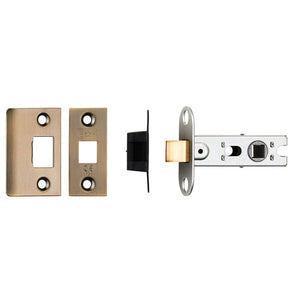
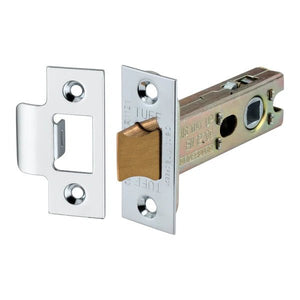
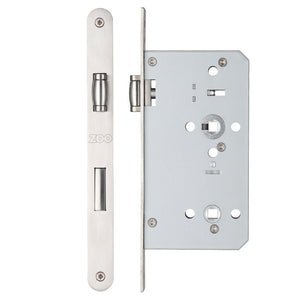
For places where access needs to be restricted – like staff toilets or multi-use spaces – you’ll sometimes find keyed locks or latch systems. They offer an extra level of bathroom security, though they can be fiddly if the key goes missing.
What they all have in common, though, is that they physically stop the door from opening – and for most people, that’s what privacy in the bathroom is all about.
The Role Of Occupied Signs In Privacy

Occupied bathroom signs tend to say a lot without needing a word. A simple flip or colour change can instantly tell someone “nope – not right now,” before they’ve even reached the handle.
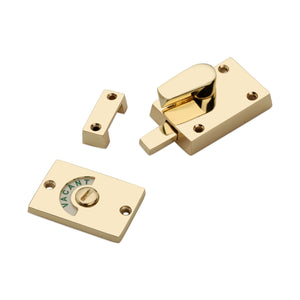
You’ve probably seen them most in public spaces – think cafes, gyms, shared office loos. Some are manual signs that need to be flipped or slid into place, others are built into the lock and switch automatically. The newer ones even come with lights or digital indicators, which look smart and leave no room for doubt.
Unlike bathroom locks, which work from the inside, occupied signs work from the outside – they're about visibility, not physical security. That said, they’re often used alongside locks to avoid awkward encounters.
In some cases, especially in busy public toilets, occupied signs can actually feel more reassuring than a lock alone.
Comparing Security: Locks Vs Occupied Signs
Security might seem like a given, but not all privacy tools offer the same level of protection.
Bathroom locks are usually seen as the more secure option – they physically stop someone from coming in. If installed properly, a lock adds a barrier that’s tough to ignore or bypass without making a scene. But there are risks: jammed locks, stuck doors, or that all-too-familiar moment when someone forgets to use it.
Occupied bathroom signs, on the other hand, rely on people paying attention – and respecting what they see. They work well in polite environments, but in places with heavier footfall, or where the sign’s manual, the margin for error gets wider. Someone might forget to flip it. Others might not even see it.
So, for pure bathroom security, locks usually win. But combine them with a clear, visible sign – especially in public restroom settings – and you’ve got a stronger setup that reduces confusion and unwanted interruptions.
User Convenience And Accessibility
A bathroom privacy solution can be secure, stylish and totally wrong – if it’s not easy for everyone to use!
Door locks for bathrooms, especially small turn mechanisms or push-buttons, can be tricky for children or anyone with arthritis or limited hand strength. For wheelchair users or those with mobility aids, awkward placement or fiddly operation can make them more of a hassle than a help.
Occupied bathroom signs, particularly the automatic type, tend to be simpler. There’s no twisting, no extra effort – the indicator does the work, as soon as the door shuts or the handle turns. That said, manual ones still rely on the user remembering to engage them.
If accessibility matters – which it often does in shared or public spaces – signs can offer a user-friendly edge. But pairing them with easy-to-operate locks makes for a more inclusive, all-round private bathroom solution.
Cost And Maintenance Considerations

The upfront cost is just one part of the picture – it’s what comes after that often matters more.
Bathroom locks vary in price depending on the mechanism. Basic turn-locks are affordable and usually last well, but fancier keyed or integrated models can be pricier to fit – and more complicated to fix if anything goes wrong. Over time, wear and tear from constant use can lead to loose parts or misalignment.
Occupied bathroom signs, especially the manual ones, are generally cheap to install. But automatic models, particularly those linked to door hardware, can be more expensive upfront – though they tend to need less fiddling later on.
Best Option For Public Vs Private Spaces
Not every bathroom needs the same solution – what works at home might not hold up in a busy café.
In private homes, especially family ones, bathroom locks tend to do the job. They’re familiar, discreet, and usually enough to give everyone peace of mind. Add a simple sign for visiting guests, and you’re sorted.
In public restrooms or commercial settings, though, clarity is king. An occupied sign – preferably automatic – helps users avoid awkward mix-ups without having to test the handle. Combine that with a lock for actual bathroom security, and you’ve got a reliable setup.
So it’s not about either-or. It’s about where – and how – the solution will be used.
Final Verdict: Which One Should You Choose?
So, which is the best bathroom privacy solution? Honestly, it depends.
For home bathrooms, a reliable door lock usually does the trick. In shared or high-traffic spaces, an occupied sign adds that extra layer of clarity people appreciate. Put the two together, and you cover both bases – visibility and physical security.
Still unsure which way to go? Contact us or explore Love Handles’ full range of bathroom locks and privacy hardware – built for comfort, confidence and a bit of everyday peace and quiet.