The Complete Guide to Door Handles: Types, Finishes & How to Choose
Door handles are one of the most touched — and most overlooked — features in any home. The right handle does more than open a door: it completes a room, signals a style, and lasts for decades. This guide brings together everything Love Handles knows about choosing, fitting, and styling door handles across every room in the UK.
What Type of Door Handle Do You Need?
There are four main categories of door handle, each suited to different doors and uses:
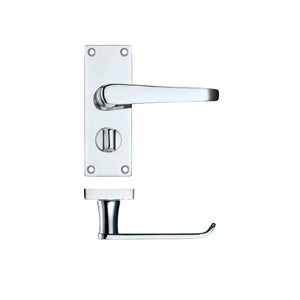
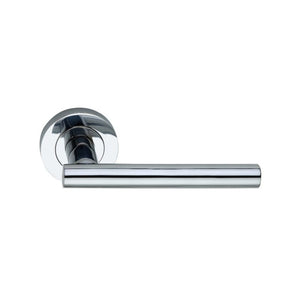
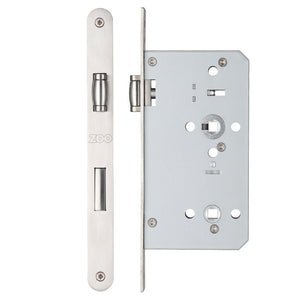
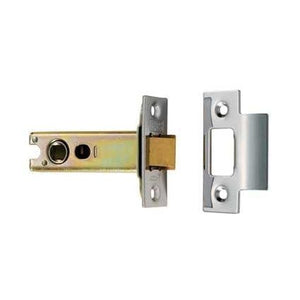
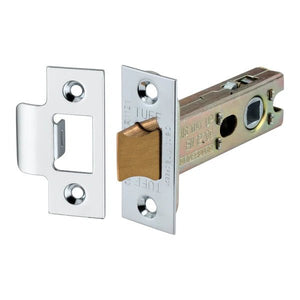
- Lever handles — the most popular choice for internal doors. Easy to operate, available in every finish, and suitable for tubular latches. Works with rose fittings or backplates.
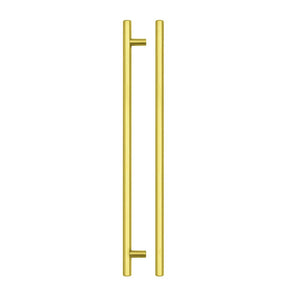
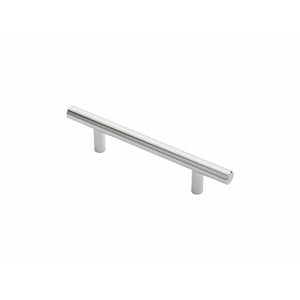
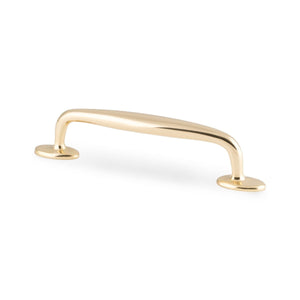
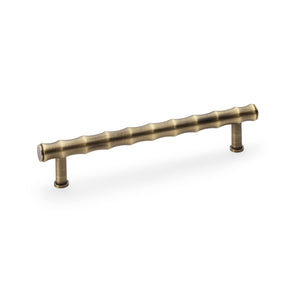
- Pull handles — ideal for front doors, bi-fold doors, and barn doors. Purely decorative in function; the door stays shut with a separate lock mechanism.
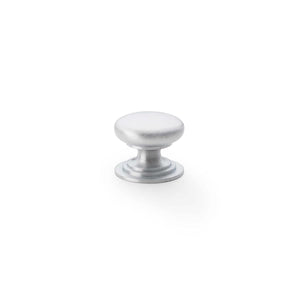
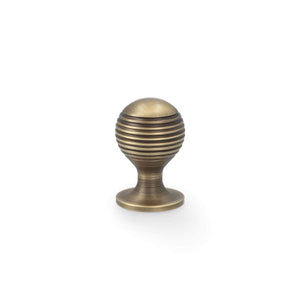
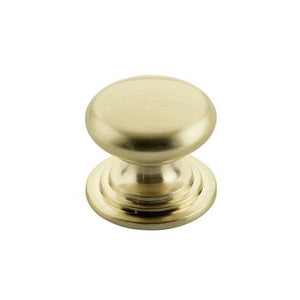
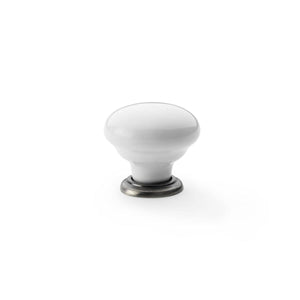
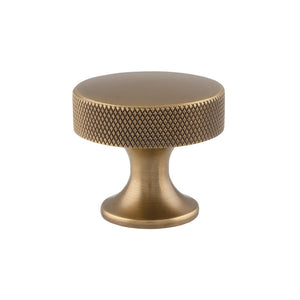
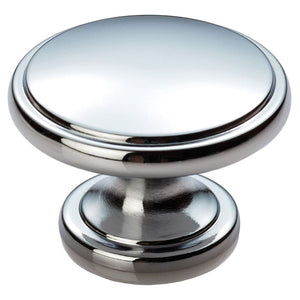
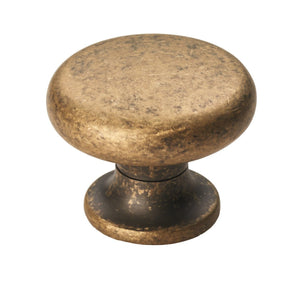
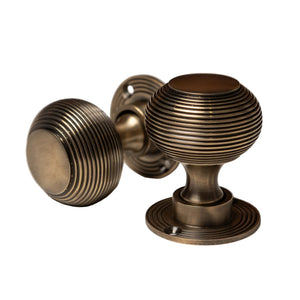
- Door knobs — a classic choice, particularly in period and Victorian properties. Require a little more grip to operate, so less suitable for high-traffic areas.
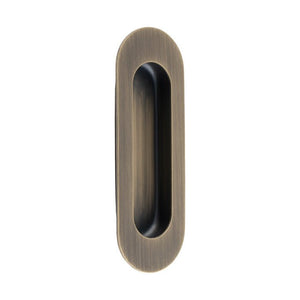
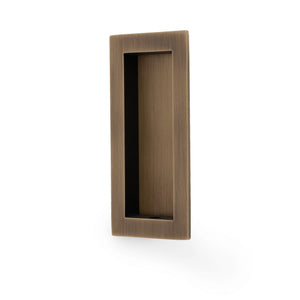
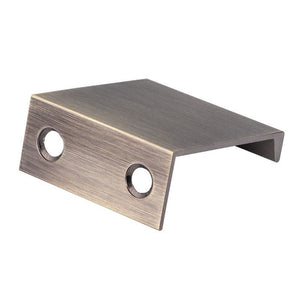
- Flush pulls — recessed into the door face, perfect for sliding and pocket doors where a projecting handle is not practical.
Our guide to 10 types of door handles explained walks through every option in detail, including t-bar, bow, and D-pull handles.
Choosing the Right Material
The material of your door handle determines both its look and its longevity. The most common options are:
- Stainless steel — the toughest choice. Highly resistant to corrosion and scratching. Ideal for exterior doors and high-traffic areas.
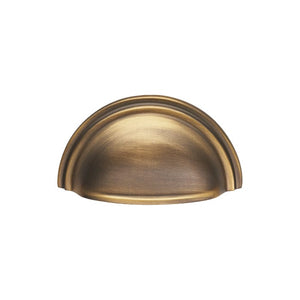
- Brass — traditional and warm. Available in polished, antique, and satin finishes. Develops a natural patina over time if unlacquered.
- Zinc alloy — a cost-effective option that takes finishes well. Slightly less durable than solid brass or steel.
- Iron — common in rustic and heritage settings. Heavy and robust but can rust if not properly treated.
Read our full breakdown in the best material for door handles to understand which holds up best in each environment.
Finishes: Which Is Right for Your Home?
The finish on a door handle has a bigger visual impact than most people expect. A polished chrome handle looks completely different from a satin brass one, even if the shape is identical. The most popular finishes are:
- Polished Chrome — bright, reflective, and clean. Suits contemporary and Scandi interiors.
- Satin Nickel / Brushed Nickel — softer and more muted than polished chrome. Hides fingerprints better. See our comparison of brushed nickel vs satin nickel.
- Matt Black — bold, on-trend, and works beautifully against oak, white, and grey doors.
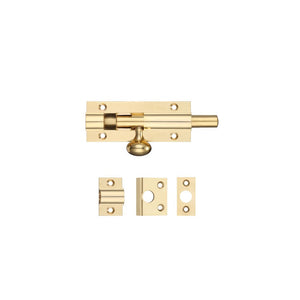
- Antique Brass / Polished Brass — warm and traditional. Works best in period properties or warm colour schemes.
- Satin Brass — a more contemporary take on brass. Less shiny, more versatile.
- Gunmetal / Aged Pewter — deep, dark finishes that suit character homes and farmhouse interiors.
We cover every finish in depth in our guide to top door handle finishes and our detailed chrome vs nickel comparison.
Do You Need a Backplate?
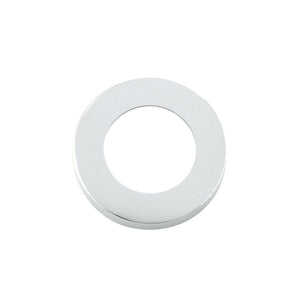
Lever handles come in two main configurations: rose-mounted (a small round rose sits behind the lever) or backplate-mounted (a longer plate runs behind the lever and latch mechanism). Backplates offer several advantages:
- They cover a larger area, hiding old screw holes from previous fittings
- They provide a more formal, finished look
- They are available in keyhole, turn-and-release, and privacy bolt variants for bathrooms and bedrooms
Our article on backplates vs no backplates will help you decide. If you need a backplate for a door knob specifically, browse our knob backplates collection.
Understanding Spindles
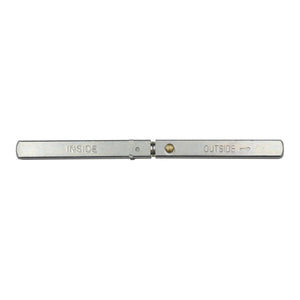
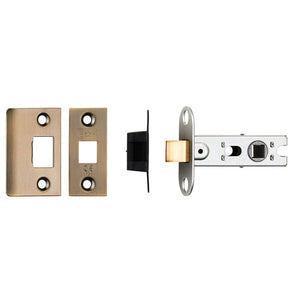
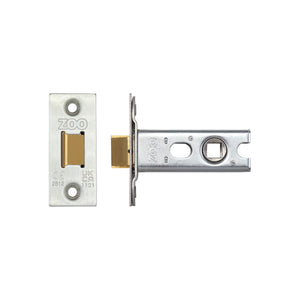
A spindle is the square metal bar that passes through the latch mechanism and connects the two handle sides. Most modern internal doors use a standard 8mm spindle, though some latches take 7.62mm metric variants. Getting the right length matters too — most levers ship with a 68mm spindle, but thicker doors may need 78mm or longer. Fitting the wrong spindle is the most common cause of a handle that feels slack or stiff.
Full details in our complete guide to door handle spindles.
How to Position Door Handles Correctly
There is no single fixed rule, but a height of 990–1050mm from finished floor level is the standard in the UK for internal doors. For consistency, pick one height and stick to it throughout the house. Horizontal positioning follows the lock block location — your handles must align with the latch casing in the door edge.
More practical advice in our guide to how to position door handles correctly.
Shop 300+ Door Handles at Love Handles
We stock over 300 door handles in every finish and style, starting from £4.99. All orders over £100 include free UK delivery, with next day dispatch available on most stock lines. We are rated 4.6★ on Trustpilot from verified UK customers.