Fire Door Hardware UK: The Complete Guide
A fire door is only as good as the hardware hanging on it. You can buy a certified FD30 door, but if it is fitted with two ordinary hinges, a latch with no fire rating and no closer, it may not hold back fire and smoke the way it was tested to. This guide explains what fire door hardware you need in the UK, which standards to look for, and the mistakes we see most often.
Short answer: a fire door needs at least three fire-rated hinges, a CE or UKCA marked latch or lock, a self-closing device that shuts the door fully, heat-resistant handles, and intumescent (and often smoke) seals. Every part must be suitable for the door it is fitted to.
Why fire door hardware matters
Fire doors are tested as a complete assembly: the door leaf, frame, seals and all the ironmongery together. That means the hardware is part of the fire rating, not an optional extra. Swapping in a part that was never tested with the door, or fitting it badly, can weaken the whole doorset.
As a rule, any hardware fitted to a fire door should match or exceed the fire rating of the door itself. In most UK homes that means FD30, a door designed to resist fire for at least 30 minutes. Some buildings and escape routes need FD60 or higher.
The essential fire door hardware
1. Fire door hinges
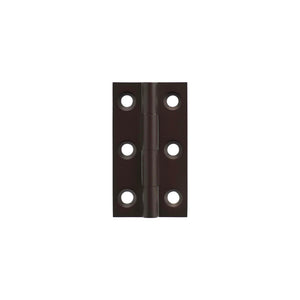
Hinges keep the door correctly positioned in the frame so it closes properly in a fire. For a standard timber fire door you need:
- At least three hinges, not the two you would find on many standard internal doors.
- CE or UKCA marked hinges that meet BS EN 1935.
- Hinges suited to the door's weight and fire rating. Fire doors are heavier than normal internal doors, so lightweight hinges are a common cause of sagging.
- Intumescent hinge pads where the door manufacturer specifies them.
Ball bearing or heavy-duty butt hinges are the usual choice, and hinges should let the door close from any opening angle. Browse our range of door hinges, and read our complete guide to hinges if you are unsure which type you need.
2. Latches and locks
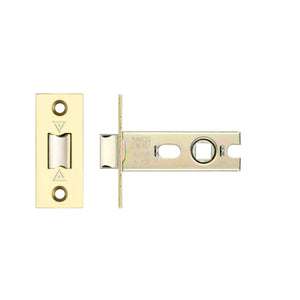
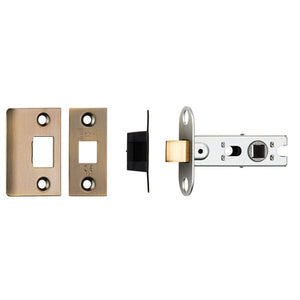
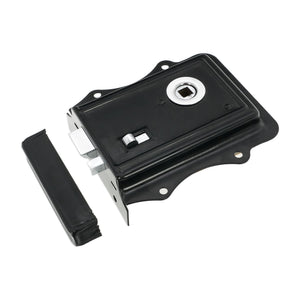
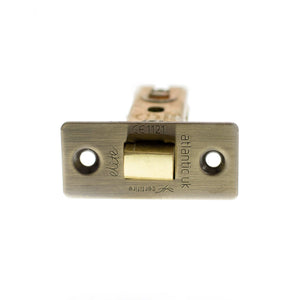
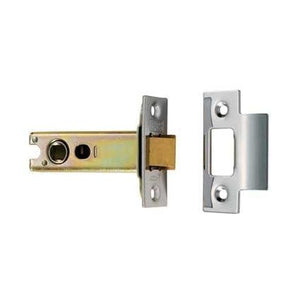
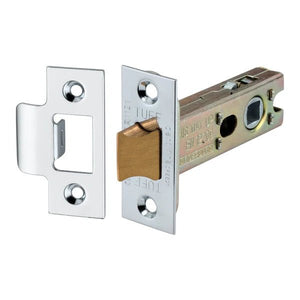
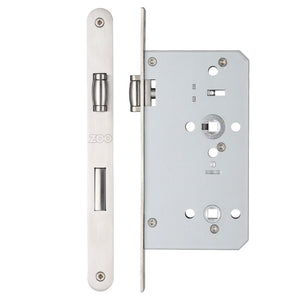
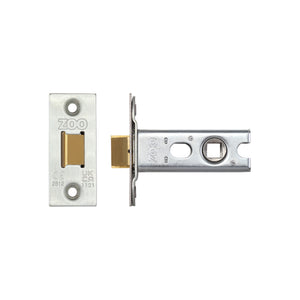
A fire door must stay closed to do its job, so the latch is critical. The latch or lock should be CE or UKCA marked to BS EN 12209, and it must be compatible with the door assembly. Always check the door manufacturer's data sheet for the permitted latch or lock types, because a lock that is fine on a normal door can leave a large hole in a fire door core.
Not sure about the difference between the two? Our guide to door locks vs latches explains it in plain English. If you need a lock for a fire door, start with our sashlocks and check the product details for fire and CE/UKCA information.
3. Door closers
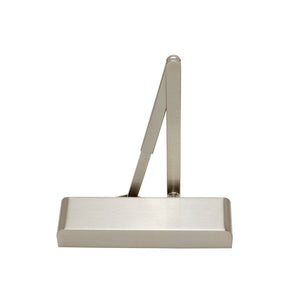
A fire door only works when it is fully closed and latched. That is why a self-closing device is required on almost all fire doors. Look for a closer that is CE or UKCA marked to BS EN 1154, and choose a power size that suits the door. As a general guide, fire doors usually need at least EN 3.
One of the most common failures found on inspection is a closer that pulls the door shut from a wide angle but cannot finish the job, leaving the door a few millimetres short of the latch. After fitting, open the door about 90 degrees, let go, and check it closes completely every time. See our overhead door closers.
4. Handles and knobs
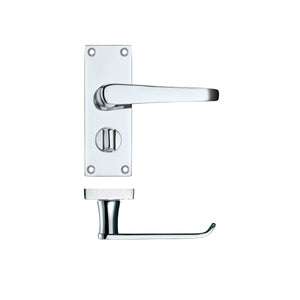
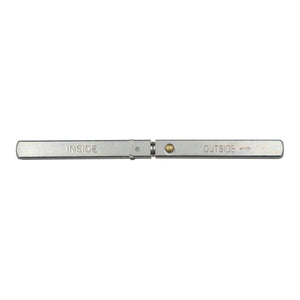
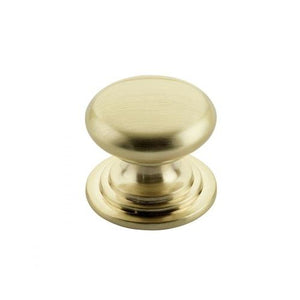
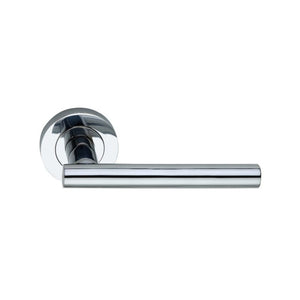
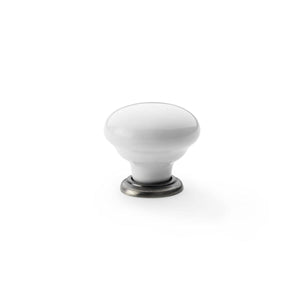
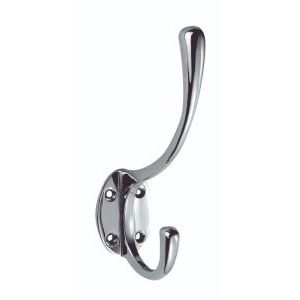
Door handles are not always classed as essential ironmongery, but they still need to survive heat. Plastic and aluminium handles can be destroyed on the fire side of the door, so choose handles made from materials that stand up to high temperatures, and use steel spindles. Check that your chosen handles are suitable for the doorset. Our guide to door handle spindles explains sizes and types.
5. Intumescent and smoke seals
Intumescent strips expand when heated to seal the gap between the door and frame. Many fire doors also need cold smoke seals to slow smoke movement. The gap around the door should normally be between 2mm and 4mm once the seals are fitted, which leaves room for the strip to expand. A £1 coin is roughly 3mm thick, so it makes a handy quick check. See our door seals and fire seals and intumescents.
6. Letter plates and other extras
Anything that cuts into a fire door can reduce its performance. Letter plates, spyholes and door viewers should be fire rated, and a letter plate needs intumescent protection where the door's test evidence requires it. A standard letter plate fitted to a fire door without checking is a common inspection failure. Before you fit one, confirm with the door manufacturer that a letter plate is permitted. You can also add a "Fire door keep shut" sign from our signs range.
Fire door hardware quick reference
| Component | What to look for | Standard |
|---|---|---|
| Hinges | Minimum 3, fire rated, CE/UKCA, suited to door weight | BS EN 1935 |
| Latch or lock | CE/UKCA marked, compatible with the door assembly | BS EN 12209 |
| Door closer | Self-closing, suitable power size, door latches fully | BS EN 1154 |
| Handles | Heat-resistant materials, steel spindles | Matched to the doorset |
| Seals | Intumescent, plus smoke seals where needed | Per door manufacturer |
| Letter plates | Fire rated and intumescent lined where required | Per door manufacturer |
Common fire door hardware mistakes
- Using only two hinges. Three is the minimum on a standard timber fire door.
- Fitting hardware with no CE or UKCA marking. If it is not marked, you cannot rely on its fire performance.
- Forgetting intumescent pads or lock wraps where they are specified.
- Cutting holes in the door for extras that were never tested with it.
- Wedging the door open. Use a proper fire door retainer or hold-open device instead.
- Mixing up ratings. A part suitable for FD30 is not automatically suitable for FD60.
Fire door hardware checklist
- Is the door itself certified and correctly labelled for its rating?
- Are there at least three fire-rated, CE/UKCA marked hinges, with all screws present?
- Is the latch or lock CE/UKCA marked and listed as suitable for the door?
- Does the closer shut the door fully and engage the latch from any angle?
- Are the intumescent and smoke seals intact, undamaged and not painted over?
- Is the gap around the door about 2 to 4mm?
- Are handles, letter plates and other fittings suitable for a fire door?
A note for landlords and property managers
If you look after a rented or multi-occupied building, fire doors are part of your responsibilities under the Regulatory Reform (Fire Safety) Order 2005, and in England the Fire Safety (England) Regulations 2022 add extra duties for some residential buildings. Requirements change, so check the latest GOV.UK guidance or speak to a qualified fire risk assessor. For more on choosing hardware for tenanted homes, read our guide to door handles and locks for rental properties.
Frequently asked questions
How many hinges does a fire door need?
A standard timber fire door needs at least three fire-rated hinges that are CE or UKCA marked to BS EN 1935. Heavier doors may need more, so always follow the door manufacturer's instructions.
Do fire doors need a door closer?
Almost all fire doors need a self-closing device so the door shuts and latches after every use. Some flat entrance doors and other specific cases may be treated differently, so check the door's certification or your fire risk assessment.
Can I use normal door handles on a fire door?
You should use handles that are suitable for the doorset. Plastic and aluminium handles can fail in high heat, so choose heat-resistant handles with steel spindles and check they are compatible with your door.
Can I fit a letter plate to a fire door?
Yes, but only if the plate is fire rated and the door manufacturer confirms the door stays compliant with a letter plate fitted. An unprotected letter plate can be a weak point.
Do fire door hinges need intumescent pads?
Where the door's test evidence or the hinge manufacturer specifies them, yes. Intumescent pads help protect the door where the hinge is cut in.
Get the right fire door hardware
Choosing the right hardware first time saves you from failed inspections and costly replacements. Browse our fire door kits for a ready-matched set, or contact our team on 0151 707 6858 if you need help checking a product suits your door. In the trade? Contact us for your discount.
This guide is general information, not a fire safety assessment. Always follow the door manufacturer's instructions, use a competent installer, and consult a qualified fire risk assessor for your building.