Door Lock vs Latch: What Is the Difference?
Door Lock vs Latch: What Is the Difference?
When choosing door hardware, the terms door lock and door latch are often used interchangeably. However, they perform different functions and are designed fr different purposes.
A latch keeps a door closed within its frame, while a lock provides security or privacy by preventing the door from being opened without the correct key, thumbturn, code or operating method.
Understanding the difference between a door lock and a latch will help you choose the right hardware for bedrooms, bathrooms, offices, entrance doors and other areas of your home.
What Is a Door Latch?
A door latch is a mechanical component that holds a door closed when it is pushed into the frame.
Most standard latches contain a spring-loaded, bevelled bolt. When the door closes, the bolt moves into the keep fitted to the door frame. This holds the door in the closed position without necessarily locking it.
A latch is usually operated by turning a door handle, lever or door knob.
Common Features of a Door Latch
- Keeps the door closed against the frame
- Usually operated with a door handle or lever
- Does not normally require a key
- Suitable for many internal doors
- Available in different sizes and finishes
- Can be used with privacy or locking hardware
Common Types of Door Latches
Tubular Latch
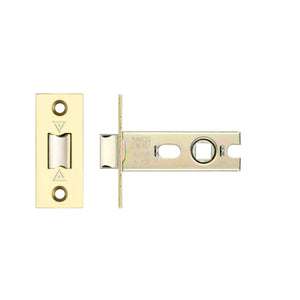
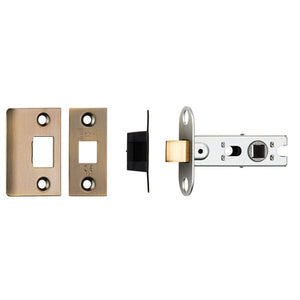
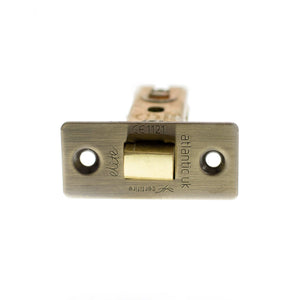
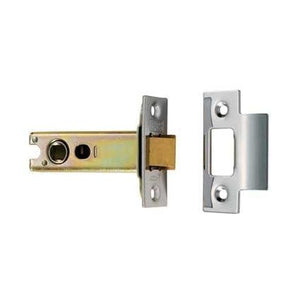
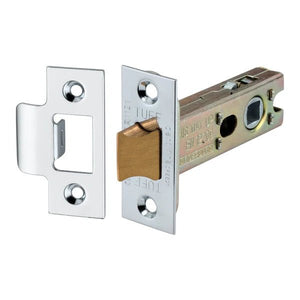
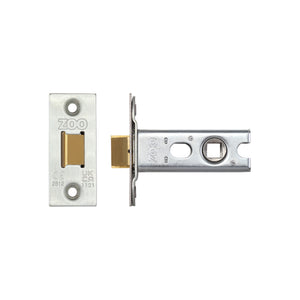
A tubular latch is one of the most common latches used with internal door handles. It is fitted into the edge of the door and operated by the handle spindle.
Tubular latches are available in different lengths and backset sizes. The correct size depends on the door and handle configuration.
Roller Latch
A roller latch uses a roller instead of a traditional bevelled latch bolt. It is often used with doors that need to close smoothly and may be paired with pull handles or push plates.
Magnetic Latch
A magnetic latch uses magnets to hold the door closed. It offers smooth and quiet operation and is often used in modern interior doors.
Privacy Latch
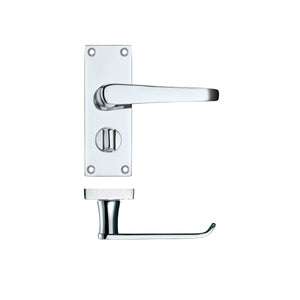
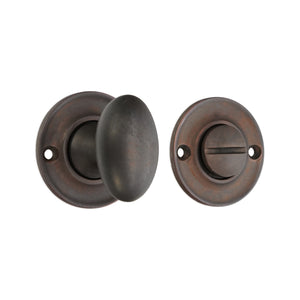
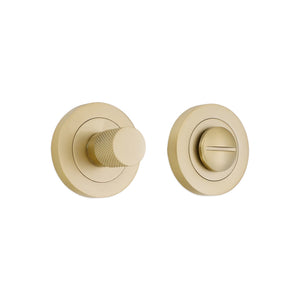
A privacy latch is designed for rooms such as bathrooms and bedrooms. It may be used with a thumbturn, privacy lock or bathroom door handle set.
What Is a Door Lock?
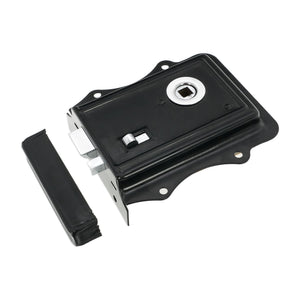
A door lock is a security mechanism that prevents a door from being opened freely.
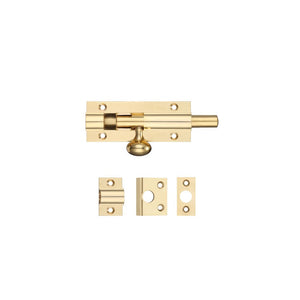
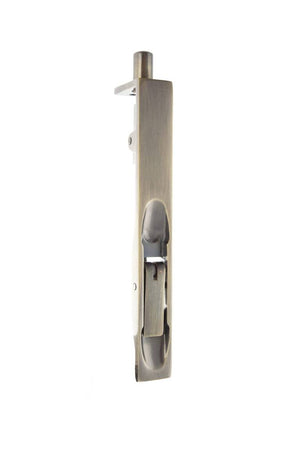
Unlike a standard latch, a lock normally includes a locking bolt, deadbolt, cylinder, turn mechanism or another security feature. The door can only be opened when the lock is released using the correct key, thumbturn, code or access method.
Locks are commonly used on entrance doors, offices, bedrooms, bathrooms and other areas where privacy or security is required.
Common Features of a Door Lock
- Provides security or privacy
- Prevents the door from being opened freely
- May require a key, thumbturn or code
- Available for internal and external doors
- Can include a deadbolt or deadlocking mechanism
- Often used with a latch for complete door operation
Door Lock vs Latch: Main Differences
| Feature | Door Latch | Door Lock |
|---|---|---|
| Main purpose | Keeps the door closed | Prevents unauthorised opening |
| Security | Usually limited | Provides security or privacy |
| Operation | Door handle or lever | Key, thumbturn, code or handle |
| Key required | Usually no | Often yes, depending on the type |
| Common use | Internal doors | Entrance, bathroom, bedroom and security doors |
| Locking bolt | Usually no | Usually yes |
| Typical example | Tubular latch | Deadlock or sashlock |
Can a Door Have Both a Lock and a Latch?
Yes. Many doors use both a latch and a lock as part of the same hardware set.
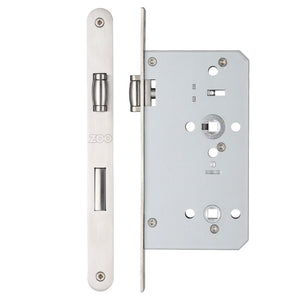
For example, a sashlock combines a latch and a deadbolt in one case. The latch is operated by the door handle, while the deadbolt is operated by a key or thumbturn.
This arrangement allows the door to close normally while also providing the option to lock it when required.
A typical internal door may include:
- Door handles
- Tubular latch
- Lock or privacy mechanism
- Strike plate or keep
- Screws and fixing accessories
What Is the Difference Between a Latch and a Deadlock?
A latch is designed to hold the door closed, whereas a deadlock is designed to secure the door.
A standard latch usually retracts when the handle is turned. A deadlock uses a solid locking bolt that is operated by a key or thumbturn.
Latch
- Keeps the door closed
- Operated by a handle
- Suitable for many internal doors
- Does not normally provide strong security
Deadlock
- Provides additional security
- Operated by a key or thumbturn
- Uses a solid deadbolt
- Commonly used on entrance and external doors
Which Is Best for Internal Doors?
For many internal doors, a standard tubular latch is sufficient. It allows the door to close properly and works with most lever handles and door knobs.
A latch is commonly suitable for:
- Living rooms
- Dining rooms
- Kitchens
- Hallways
- Utility rooms
- General internal doors
If the room needs privacy or security, such as a bedroom or bathroom, you may need a privacy lock, bathroom lock or suitable locking latch instead.
Which Is Best for Bathroom Doors?
Bathroom doors usually need privacy rather than high-security locking.
Suitable options may include:
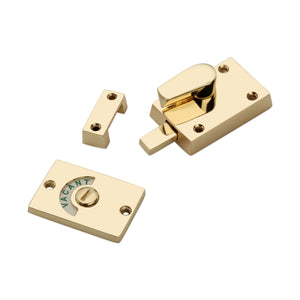
- Bathroom lock
- Privacy latch
- Thumbturn and release set
- Bathroom door handle set
- Sashlock with privacy furniture
A bathroom lock allows the door to be locked from the inside and released from the outside in an emergency, depending on the hardware design.
Always check the product specifications to confirm that the lock is suitable for bathroom use.
Which Is Best for External Doors?
External doors normally require a lock designed for security and the type of door being used.
Depending on the door, suitable options may include:
- Deadlock
- Sashlock
- Euro cylinder lock
- Multipoint locking system
- Night latch
- Security lock
The correct choice depends on the door material, security requirements, existing hardware and the type of cylinder or locking system installed.
For entrance doors, check the lock dimensions, backset, case size and compatibility with the door furniture before purchasing.
What Should You Check Before Buying?
Before purchasing a latch or lock, check the following measurements and specifications.
1. Backset
The backset is the distance from the edge of the door to the centre of the spindle or keyhole. Common backset sizes vary, so measure your existing hardware before ordering.
2. Case Size
The case is the main body of the latch or lock fitted inside the door. Make sure the new product will fit into the existing cut-out.
3. Forend Size
The forend is the visible faceplate fitted to the edge of the door. Check its length, width, shape and finish.
4. Spindle Compatibility
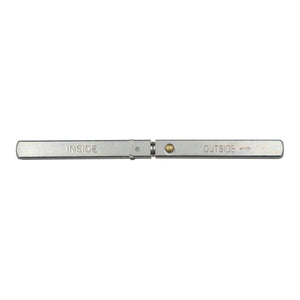
If you are buying a latch for door handles, confirm that the latch is compatible with the handle spindle and follower.
5. Door Type
Different doors may require different hardware. Check whether the door is:
- Internal timber
- External timber
- Composite
- uPVC
- Fire-rated
- Bathroom or privacy door
6. Finish
Choose a finish that matches your handles, hinges and other door furniture. Popular finishes include:
- Polished chrome
- Satin nickel
- Antique brass
- Satin brass
- Matt black
- Polished nickel
Frequently Asked Questions
Is a latch the same as a lock?
No. A latch holds the door closed, while a lock prevents the door from being opened without the correct operating method.
Can I use a latch without a lock?
Yes. A standard tubular latch can be used on many internal doors where security or privacy is not required.
Does every door need a lock?
No. Many internal doors only need a latch. Entrance doors, bathrooms, bedrooms and other private areas may require a suitable locking mechanism.
Is a deadlock safer than a latch?
A deadlock generally provides more security than a standard latch because it uses a solid locking bolt. Overall security also depends on the door, frame, cylinder and installation.
What is a sashlock?
A sashlock combines a latch and a deadbolt in one lock case. The handle operates the latch, while the key or thumbturn operates the deadbolt.
Can I replace a latch without replacing the door handles?
Usually, yes, provided the new latch is compatible with the existing handles, spindle, backset and door cut-out.
Final Thoughts
The main difference between a door lock and a latch is their purpose. A latch keeps a door closed, while a lock provides security or privacy.
For a standard internal door, a tubular latch may be all you need. For bathrooms and bedrooms, a privacy lock may be more suitable. For entrance doors, a deadlock, sashlock or another security lock may be required.
Before ordering, always check the measurements, door type, spindle compatibility and finish to make sure your new hardware fits correctly and matches your existing door furniture.