What is a Deadlock? A Beginner's Guide
When it comes to home security, choosing the right lock can make a world of difference. Among the many types available, the deadlock stands out as a popular option, offering a strong layer of protection for homeowners and renters alike. But what exactly is a deadlock, and how does it work? This guide provides a thorough look into deadlocks, breaking down everything from their mechanisms to the types best suited for various security needs.
In this article, we’ll cover what is a deadlock, the essentials of deadlocks, including how they function, their benefits and drawbacks, and the factors to consider when choosing one. With a focus on clarity and practicality, this guide is designed to provide beginners with straightforward information on deadlocks, helping you make decisions about your home’s security setup.
Whether you’re looking to increase your home’s security or simply want to understand the options available, this guide will show why deadlocks are a reliable and widely trusted choice for door security.
What is a Deadlock?

Basic Definition and Purpose
A deadlock is a secure type of door lock that requires a key for both locking and unlocking, adding a layer of protection that many traditional locks don’t provide. Unlike spring-bolt locks, which use a spring to hold the bolt in place and can often be forced open, deadlocks engage with the door frame itself, making them harder to manipulate without a key. This makes deadlocks especially effective for external doors, where security is a top priority.
Deadlocks are frequently used in both residential and commercial settings, appreciated for their simplicity and reliability. Because they need a key to operate from both the inside and outside, they reduce the risk of forced entry and are often recommended as part of a solid home security strategy. Whether used as a standalone lock or alongside other security measures, deadlocks are a practical choice for anyone looking to increase security.
History of Deadlock Mechanisms
The deadlock has a long history, evolving alongside advancements in lock technology and security needs. The concept of the deadlock can be traced back to early designs aimed at increasing door security, primarily by eliminating mechanisms that could be easily tampered with. Over time, as locksmiths and companies developed new technologies, deadlocks became popular for their reliability and effectiveness.
Early pioneers in lock design, such as the Chubb family in the UK, contributed to the development of the deadlock, which quickly gained popularity due to its secure features. Today, deadlocks continue to be widely trusted and have even evolved to incorporate modern materials and advanced locking systems, maintaining their place as a reliable choice in home and commercial security.
The Chubb family’s 19th-century innovations in lock design set new standards for tamper-resistant deadlocks, shaping modern security. Today, deadlocks benefit from advanced materials and anti-pick features, continuing Chubb’s legacy of secure, reliable locks suited to evolving security needs.
How Deadlocks Work

Deadlock Mechanisms and Components
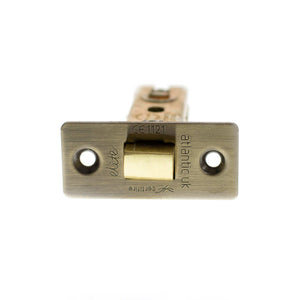
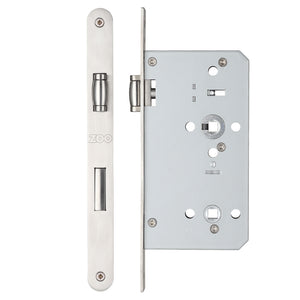
A deadlock is made up of several key components, each playing a role in its secure operation. The main parts include the cylinder, bolt, and keyhole. The cylinder is the part where the key is inserted and turned to engage or disengage the bolt. The bolt itself is a solid metal bar that extends from the lock into the door frame when locked, creating a secure barrier. Unlike spring-based locks, deadlocks rely solely on the key to retract the bolt, meaning they cannot be unlocked without the key.
Deadlocks also differ from other locking mechanisms, such as latch bolts, which use a spring-loaded latch to secure the door. With a deadlock, the bolt is rigid and only moves when the key is turned, making it harder to force open. This mechanism is what gives deadlocks their reputation for high security, as they are specifically designed to resist tampering and forced entry. Additionally, certain deadlocks come with hardened steel bolts for even greater durability and resistance to break-ins.
How They Secure Doors
Deadlocks provide security by engaging directly with the door frame, forming a sturdy connection that’s difficult to breach without the correct key. When locked, the bolt extends fully into a reinforced metal plate within the door frame, offering resistance against attempts to pry or kick the door open. This level of direct engagement is a major factor in why deadlocks are considered more secure than standard spring-bolt locks, which don’t offer the same level of protection.
The manual key operation of deadlocks also adds a security benefit, as the lock cannot be disengaged from either side without the key. This feature is particularly useful in deterring forced entry because it reduces the risk of manipulation or picking, making deadlocks a trusted choice for securing entry points like front and back doors. Compared to other types of locks, deadlocks are often favoured for their reliability in keeping doors firmly secured under various circumstances.
Types of Deadlocks

Single Cylinder Deadlocks
A single-cylinder deadlock is one of the most common types, designed with a key-operated cylinder on the outside and a thumb turn on the inside. This design allows for convenient locking and unlocking from the inside without needing a key, while still offering secure access from the outside with a key. Single-cylinder deadlocks are popular for entry doors without glass panels, as they provide security without the risk of an intruder breaking the glass and turning the thumb to unlock the door.
While single-cylinder deadlocks offer a good balance of security and convenience, they have limitations. If the door has glass panels or is near a window, an intruder could potentially reach in and unlock the door from the inside. For doors with glass, other types of deadlocks might be more suitable to prevent this kind of vulnerability. However, for solid doors, single-cylinder deadlocks are a practical and widely used option.
Double Cylinder Deadlocks
A double-cylinder deadlock, on the other hand, requires a key on both sides of the door. This adds an extra layer of security, as the door cannot be unlocked from the inside or outside without a key. This feature makes double-cylinder deadlocks an ideal choice for doors with glass panels or those located near windows, as an intruder cannot simply break the glass and reach in to unlock the door.
While double-cylinder deadlocks offer superior security, they do come with some considerations. In an emergency, such as a fire, needing a key to unlock the door from the inside can delay exit. This makes them less ideal for certain types of doors, such as main exit routes in homes or buildings. However, for secondary entrances or doors in areas where security is a priority, double-cylinder deadlocks are a highly effective choice. When used thoughtfully, they provide a balance between security and practical usability, especially for doors with glass components or increased exposure.
Differences Between Deadlocks and Other Locks

When considering the best lock for home security, it’s helpful to understand how deadlocks differ from other common types of locks, such as spring-bolt locks and latch locks. Each lock type has unique mechanisms, benefits, and limitations that affect its suitability for different security needs.
Deadlocks stand out because they rely on a manual key operation and do not use any spring mechanism. This absence of a spring means that a deadlock bolt remains in place until it is actively moved by a key, making it significantly harder to force open. In contrast, a spring-bolt lock uses a spring to hold the bolt in place. While spring-bolt locks are convenient for quick access, they are more vulnerable to forced entry because the spring can often be tampered with.
Latch locks are another common type, especially on interior doors. These locks use a latch mechanism that can be operated with a handle and typically aren’t as secure as deadlocks. Latch locks allow doors to be shut without fully engaging a locking mechanism, which is ideal for rooms that don’t require high security but are less effective for protecting entry points.
Deadlocks are often viewed as a more secure option because of their durability and key-operated locking system, which provides reliable security for external doors. While spring and latch locks may be preferred for ease of use or interior doors, deadlocks are ideal for main entrances or other areas where a stronger barrier is needed to prevent forced entry.
Advantages of Using Deadlocks
Enhanced Security Benefits
One of the main advantages of deadlocks is the high level of security they offer. Unlike spring-based locks, which can often be manipulated or forced open, deadlocks provide a solid, key-operated locking system that resists tampering. When locked, a deadlock’s bolt is firmly engaged with the door frame, creating a barrier that is difficult to breach without a key. This makes deadlocks particularly effective in protecting against forced entry, which is why they are commonly recommended for external doors.
Deadlocks are also harder to pick than other locks due to their secure mechanism. This level of security gives peace of mind to homeowners, as deadlocks help secure entry points against common break-in tactics. Many people also use deadlocks as part of a multi-lock system, combining them with other security measures to create an even more effective setup for their homes.
Durability and Resistance to Tampering
Deadlocks are built to withstand regular use and resist attempts at tampering. Made from durable materials such as hardened steel, they’re less susceptible to wear and tear compared to other lock types. This durability allows deadlocks to maintain their security function over time, even with frequent locking and unlocking.
Another advantage is their resistance to picking or other forms of manipulation. Because deadlocks operate purely by key and engage securely into the door frame, they don’t have spring-loaded components that can be bypassed or manipulated. This reliability makes deadlocks a strong choice for anyone looking to secure external doors or other key entry points in a home. Overall, deadlocks offer long-lasting protection and peace of mind, particularly for homeowners who prioritise secure and reliable security solutions.
Disadvantages and Considerations
Potential Challenges with Deadlocks
While deadlocks provide strong security, they come with certain challenges that may impact their suitability for all situations. For example, double-cylinder deadlocks require a key to unlock from both sides of the door, which can be a drawback in emergencies. If a quick exit is needed, the requirement for a key can slow down evacuation, making this type of deadlock less ideal for main exits.
Another consideration is the installation process.
Deadlocks may be harder to install on certain door types, particularly on thinner or less durable doors. This can mean additional effort or professional installation, especially if the door frame isn’t designed to support a deadlock. For those who prefer a DIY approach, this could pose a limitation, and it’s worth checking compatibility with the door and frame before purchasing.
When Deadlocks May Not Be Ideal
There are situations where deadlocks may not be the best choice, particularly on internal doors or doors that aren’t exposed to significant security risks. For instance, using a deadlock on a frequently accessed internal door might be cumbersome due to the need for a key each time. Additionally, some doors, such as sliding or metal doors, may not be compatible with the standard deadlock design, which could limit their suitability.
Some people might also prefer locks with automatic or electronic functions for ease of access. In such cases, smart locks or combination locks may offer a more practical solution, especially for individuals who want flexibility without compromising on security. Understanding the specific needs of the door and location can help determine if a deadlock is the right option or if an alternative lock type may be more appropriate.
How to Choose the Right Deadlock

Factors to Consider Based on Security Needs
When selecting a deadlock, it’s best to assess your security needs and consider factors such as the level of protection required and the location of the door. For doors that are the main entry points to a home or building, a double-cylinder deadlock can add extra security, especially if the door has glass panels or is near windows. On the other hand, for solid entry doors without nearby windows, a single-cylinder deadlock might be more convenient while still providing reliable security.
Personal preferences, such as ease of use and safety, also play a role in choosing the right deadlock. For example, if quick exit access is essential, a single-cylinder deadlock may be more suitable than a double-cylinder version. Additionally, some homeowners may benefit from consulting a professional to make sure that the deadlock chosen aligns with specific security requirements and installation needs.
For more specific advice, consulting a professional can help match your deadlock choice to specific property and security needs, which provides optimal protection and usability.
When selecting a deadlock, keep these practical considerations in mind:
- Door Material: Wooden doors fit most deadlocks, but metal or composite doors might need specialised models.
- Frame Strength: Reinforced frames maximise deadlock security. For weak frames, a metal strike plate can add support.
- Installation: Single-cylinder deadlocks are more DIY-friendly, while double-cylinder options may need professional installation.
- Accessibility and Safety: For frequently used doors, single-cylinder deadlocks with interior thumb turns are convenient. Double cylinders suit doors requiring extra security, like those with nearby glass.
Single-cylinder deadlocks are more DIY-friendly, while double-cylinder models may need professional fitting, especially on glass or composite doors where compatibility with the frame is essential.
Compatibility with Doors and Frames
Deadlock installation may vary depending on the type of door material, such as wood, metal, or composite. Some deadlocks are designed specifically for certain materials, so it’s essential to verify compatibility before purchase. Additionally, the strength of the door frame is a major factor; deadlocks rely on a reinforced frame to provide full security benefits. If the frame is not strong enough, it may need reinforcement to support the deadlock effectively.
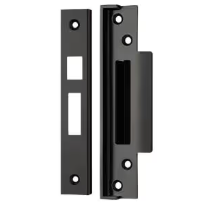
Assessing whether a door frame can handle a deadlock’s additional security is required. For example, installing a metal strike plate can provide extra reinforcement to the frame, and ensure that the deadlock engages securely. Paying attention to both the door and frame will help you achieve a more secure and reliable installation.
When selecting a deadlock, consider both door material and frame strength; reinforced frames or adding a metal strike plate can greatly improve security by securely anchoring the lock within the door structure.
Common Deadlock Myths and Misconceptions

Debunking Security Myths
There are several myths surrounding deadlocks, one of the most common being that they are easily picked or bypassed. In reality, deadlocks are designed to resist tampering far more effectively than many other types of locks. With a solid bolt mechanism that fully engages with the door frame, deadlocks offer a level of security that is challenging to overcome without the proper key, making them a strong deterrent to intruders.
Another misconception is that deadlocks alone are insufficient for home security. While no lock can guarantee absolute protection, deadlocks are often recommended as part of a layered security approach. When paired with additional security measures, such as reinforced frames or secondary locking systems, deadlocks provide an effective barrier against forced entry.
Understanding the True Functionality of Deadlocks
Another misunderstanding about deadlocks is related to their usability, particularly with double-cylinder models. Some believe that these locks hinder access in emergencies. While it’s true that double-cylinder deadlocks require a key for both sides, many homeowners find this added security worthwhile for external doors with glass panels or windows nearby. For those who prioritise rapid access, single-cylinder deadlocks are a good alternative, combining security with ease of use.
Deadlocks are not designed to be impenetrable, but rather to serve as a reliable security measure within a broader system. Understanding their true purpose and best applications helps homeowners make informed decisions about where and how to install them for maximum effectiveness.
Popular Brands and Options
Top Deadlock Brands on the Market
For those considering a deadlock, choosing a reputable brand can make a difference in terms of quality, durability, and security. Several well-regarded brands offer high-quality deadlocks that have earned trust in the security market. Brands like Yale, Schlage, and Chubb are known for producing durable deadlocks that meet industry standards for security and longevity. Each of these companies has established a reputation for innovation and reliability, making them popular choices among homeowners and security professionals alike.
Yale, for example, is recognised for its wide range of deadlocks that balance security with user-friendly features. Schlage is noted for its high-security locks and strong customer satisfaction ratings. Chubb, a long-standing name in the industry, is respected for its reliable construction and attention to quality. Many of these brands also offer deadlocks with industry certifications, which means that they meet stringent security criteria.
Comparing Different Models and Features
When selecting a deadlock, it’s helpful to compare models based on features such as materials, locking mechanisms, and security ratings. For instance, some deadlocks are crafted from hardened steel, offering resistance to wear and tampering. Additionally, deadlocks vary in price depending on their features; high-security models may come at a premium but provide additional peace of mind.
Single-cylinder and double-cylinder models are available across most major brands, allowing homeowners to choose based on security needs and convenience. Some brands also offer deadlocks with extra features, such as anti-pick pins or additional finishes to match different door styles. Comparing these options can help you find a deadlock that suits both your security requirements and your budget.
Deadlocks are a trusted and effective option for home and property security, offering a level of protection that many other locks don’t provide. Throughout this guide, we’ve covered what deadlocks are, how they function, the different types available, and key factors to consider when choosing the right one for your needs. By understanding the features and benefits of deadlocks, homeowners can make choices that align with their security goals.
Whether you’re securing a main entrance or a less frequently used entry point, deadlocks offer reliable security that can provide peace of mind. Take the time to evaluate your security needs, consider the types of deadlocks discussed here, and consult professional advice if necessary. Investing in the right deadlock can be a valuable step toward a safer and more secure home environment.