Sash Lock vs Deadlock vs Nightlatch: Which Door Lock Do You Need?
If you've ever stood in front of a wall of door locks wondering what the difference actually is, you're not alone. Sash lock, deadlock and nightlatch are the three names that come up again and again, and they do genuinely different jobs. Here's how to tell them apart and pick the right one for your door.
Sash lock: latch and deadbolt in one
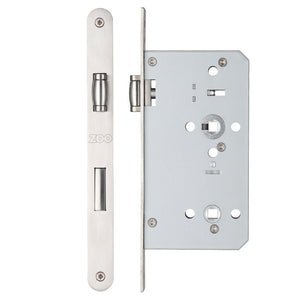
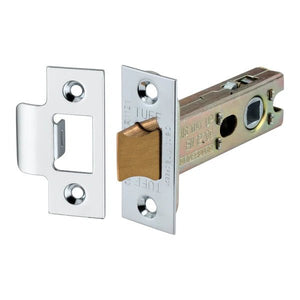
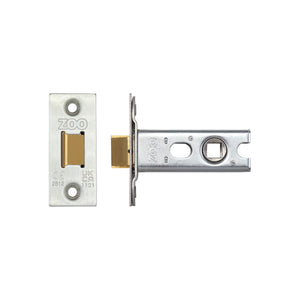
A mortice sash lock combines two things in a single case that's morticed into the edge of the door: a sprung latch, operated by the handles, that holds the door closed, and a deadbolt, thrown by a key, that locks it. Because it has both, a sash lock lets you use lever handles to come and go during the day, then lock the deadbolt with a key at night or when you're out.
This is the go-to lock for a main door that also needs handles, such as a back door or a timber front door with lever furniture. Look for one built to a recognised British Standard (BS 3621) if it's a final exit door your insurer cares about.
Deadlock: key-only security
A mortice deadlock is the simpler cousin. It has just the deadbolt, thrown and withdrawn by key alone, with no latch and no handles. That makes it ideal as a second lock on a door that already has a latch or nightlatch, giving you a solid key-operated bolt for extra security.
You'll often see a nightlatch at the top of a front door paired with a deadlock lower down. The deadlock does the heavy security work, while the nightlatch handles everyday opening and closing. Like sash locks, deadlocks are available to British Standard for insurance-approved security.
Nightlatch: locks as it closes
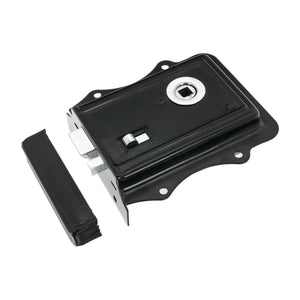
A nightlatch is the rim lock that mounts on the inside face of the door rather than being morticed into the edge, the classic 'Yale-type' lock. It's operated by a key from outside and a knob or lever from inside, and its defining feature is that the sprung latch locks automatically as the door closes behind you.
That auto-locking action is exactly why nightlatches are so popular on front doors: pull the door shut and it's latched, no key needed. Many models add a deadlocking or 'snib' function to hold the latch open or lock it more securely. A nightlatch is convenient, but on its own it offers less resistance than a good mortice lock, which is why it's so often paired with a deadlock.
How to choose
- Need handles and locking in one? Choose a sash lock, common on back doors and lever-handle timber doors.
- Want a strong second lock? Add a deadlock for key-only security alongside an existing latch.
- Want convenient auto-locking? A nightlatch locks as the door shuts, ideal for a front door, ideally backed up by a deadlock.
A note on doors and standards
Mortice locks (sash locks and deadlocks) suit timber doors thick enough to take the case. Nightlatches surface-mount, so they work where morticing isn't practical. If your home insurance specifies a certain level of security on final exit doors, look for locks carrying the BS 3621 British Standard kitemark.
Still weighing it up? Browse our full ranges to compare: mortice sash locks, mortice deadlocks, nightlatches and traditional rim locks. If you're upgrading across the whole door, our wider door security range has everything to go with it. We offer next-day delivery on in-stock orders and free UK delivery over £100.