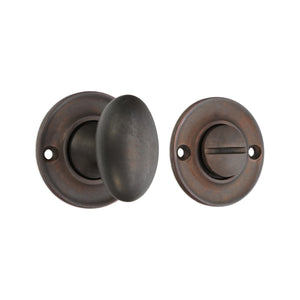
The Craftsmanship Behind Alexander & Wilks Handles
There’s a certain confidence in hardware that feels made to last — the weight of solid brass in your palm, the cool edge of a perfectly milled surface. That, in essence, is what defines Alexander & Wilks, a British hardware brand where traditional making methods still hold their ground, but so do clean lines, striking finishes, and a clear eye for detail.
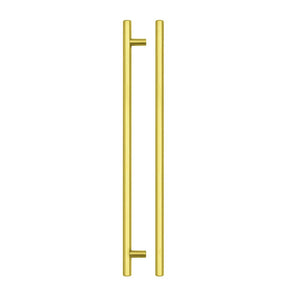
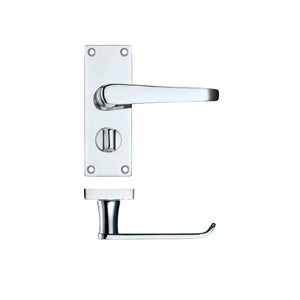
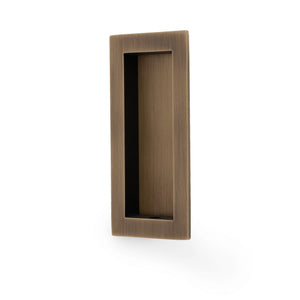
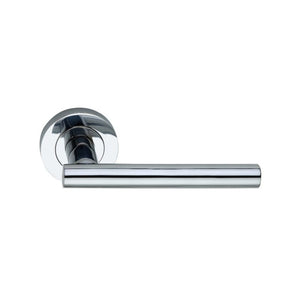
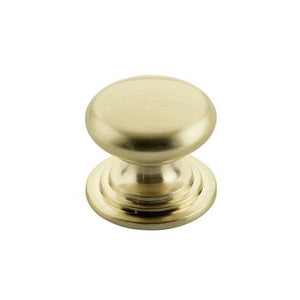
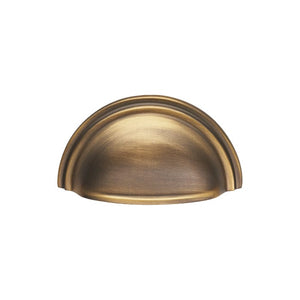
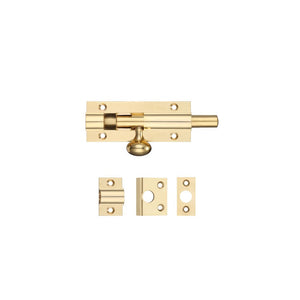
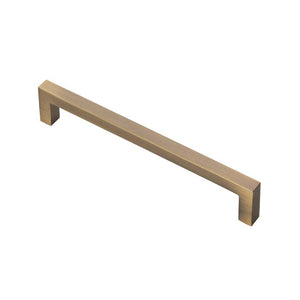
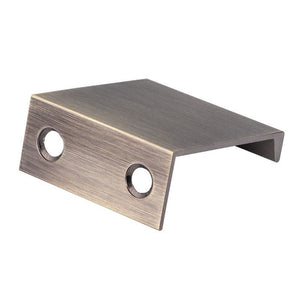
This article opens the door to their story, from design thinking to machining methods, and all the understated touches that make their premium door handles, designer cabinet hardware, and high-end door fittings feel like more than just hardware. They’re objects of craft — where traditional meets modern hardware and purpose lives in every curve, finish, and fixture.
Who Are Alexander & Wilks?

Rooted in British design sensibilities and named in tribute to two of the UK’s most influential engineers, Alexander & Wilks don’t just create hardware – they craft pieces that nod to classical symmetry while sitting comfortably in modern interiors. Inspired by Georgian elegance, Victorian structure, and the clean geometry of the Bauhaus, the brand has a thing for contrast – heritage influence and clean simplicity, weight and delicacy, form and function.
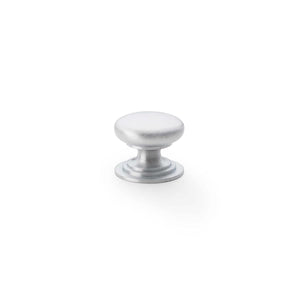
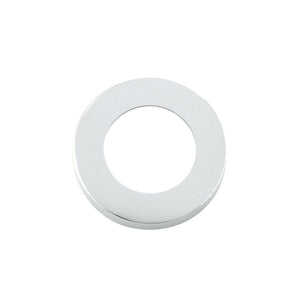
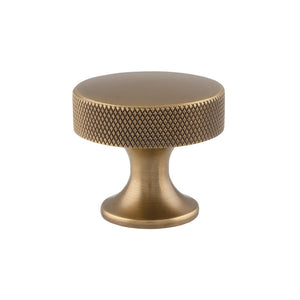
For those working across residential or commercial spaces, the appeal is clear: distinctive style, considered finishes, and a dependable level of quality. Whether it's a sleek knurled knob or a finely polished rose, the detail always matters.
A Focus on Craftsmanship
You can spot rushed hardware a mile off — edges too sharp, finishes too flat, nothing quite landing right. That’s never the case with Alexander & Wilks. Their pieces, while machine-precise, carry the marks of care. Each product goes through an exacting CNC machining process, but that’s only the beginning. Handles are hand-finished to refine every line, ensuring no sharpness, no roughness, just a smooth, consistent feel throughout.
It’s this blend of engineered precision and finishing by hand that sets the tone. The result? Hardware that doesn't just sit on a door or drawer — it becomes part of the room's atmosphere. This is where traditional meets modern hardware. And for those seeking quality interior hardware, the attention to finish, balance and usability is something you can literally feel every time you reach for it.
Materials and Finishes That Set Them Apart

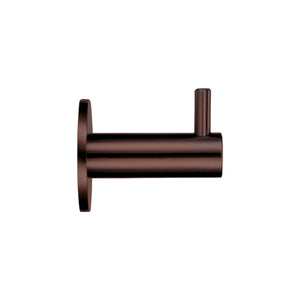
It’s one thing to look good in a showroom. It’s another to hold up beautifully after years of daily use. Alexander & Wilks don’t just prioritise appearance – their materials are chosen with longevity in mind. You’ll find solid brass at the core of many of their premium door handles, paired with finishes that are both refined and remarkably resilient.
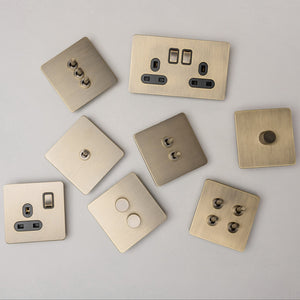
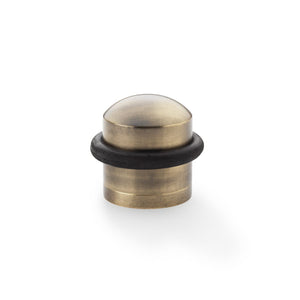
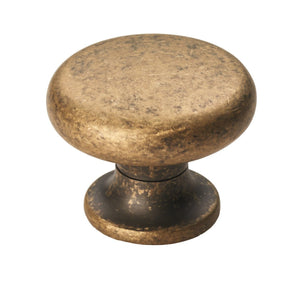
From rich bronze to antique brass, polished chrome to matte black, each surface treatment brings a distinct character to the space it’s in. These aren’t sprayed-on shades – they’re layered, bonded, and sometimes even hand-burnished for that lived-in, quietly luxurious feel. And whether you’re sourcing high-end door fittings for a grand hallway or a single door handle that feels right in a minimalist flat, the consistency of finish across the range means everything plays well together.
Design Details Worth Noticing
There’s something quietly satisfying about a well-made handle. The sort of piece that feels just right under the fingers — weighty, but balanced. That’s the charm of Alexander & Wilks. And it’s not just about finishes or form. Look closely and you’ll notice subtle knurling patterns, chamfered edges, even how the piece rotates — all designed to feel intentional.
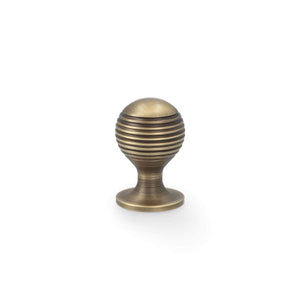
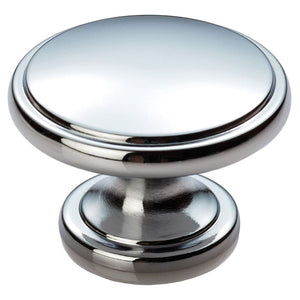
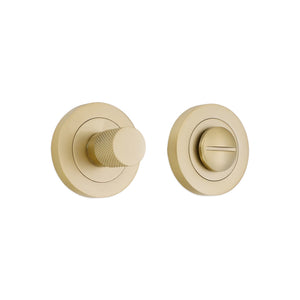
The knurled handle design has become something of a signature. It’s not purely decorative, either — the texture provides grip, adds contrast, and catches light in ways that flat surfaces can’t. For designer cabinet hardware, that kind of visual detail can lift the whole look of a room without needing to shout. It’s about taking the simple action of opening a door or drawer and making it — in a way — quietly satisfying.
Traditional Techniques in Modern Production
In many ways, Alexander & Wilks feel like a brand out of step with fast manufacturing — and that’s exactly why they stand out. Their production combines classical detail with 21st-century precision. CNC machines cut to tight tolerances, but that’s only part of the story. Every handle is still inspected by hand, sometimes polished or brushed manually to give it that unmistakable finish.
This is where traditional meets modern hardware — with older techniques sitting side-by-side with newer methods. You’ll see it in the sharpness of a chamfered edge, the depth of a polished rose, or how two finishes can meet without losing their character. For designers and homeowners alike, it’s reassuring to know that beauty hasn’t come at the cost of reliability. These are pieces made for long-term use — and they’re built that way, deliberately.
Why Quality Hardware Makes a Difference
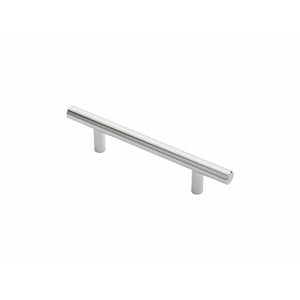
You can change the paint, swap the flooring, switch out furniture, but poor hardware? That’s the detail that lingers. The feel of it. The sound it makes. The way it either fits the room or jars with it. That’s why so many professionals turn to premium door handles from brands like Alexander & Wilks – because good hardware doesn’t just look right, it feels right too.
Whether it’s for a quiet study or a high-traffic hallway, quality interior hardware leaves an impression with every use. It won’t wobble loose. It won’t feel hollow. It just works – day in, day out – while holding onto its finish and presence.
And in spaces where first impressions count, or where tactile feedback matters more than people realise, those details are far from minor. They’re the kind of finishing touches that make a space feel finished.