Mortice vs Rim Door Knobs: A Buyer's Guide
Door knobs look much the same on the shelf, but they aren't interchangeable. The key question is what sits inside or on the door doing the work: a mortice latch or a rim lock. Choose the wrong one and your lovely new knobs won't operate the door properly. Here's how to tell mortice and rim knobs apart, and how to pick with confidence.
The quick answer
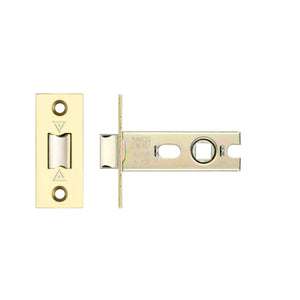
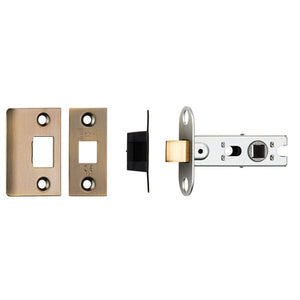
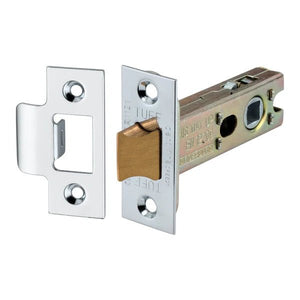
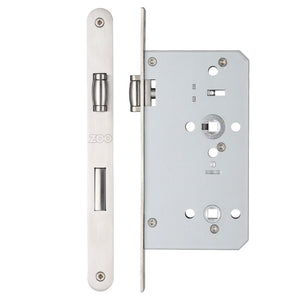
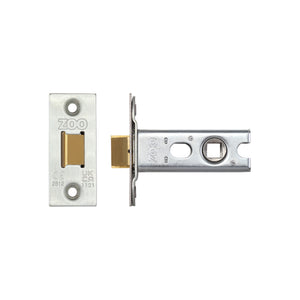
A mortice knob works a tubular latch that is housed inside the thickness of the door, so the mechanism is hidden and only the knobs show on each face. A rim knob works a rim lock — a box mechanism that is surface-mounted on the inside face of the door. Mortice knobs are the everyday choice for internal doors; rim knobs pair with the rim locks you often see on period and front doors.
Mortice knobs explained
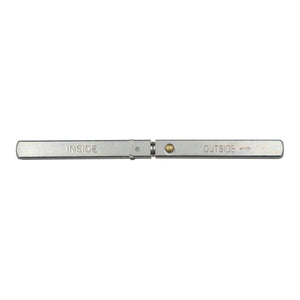
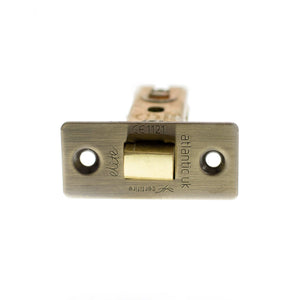
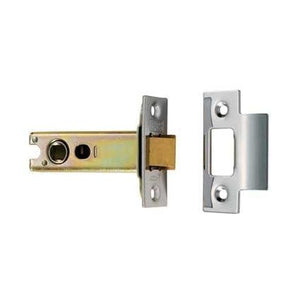
With a mortice set-up, a hole is bored through the door and a tubular latch is fitted into a slot (a ‘mortice’) cut into the edge. A spindle passes through the latch, and a knob goes on each side. Turn a knob and the spindle retracts the latch so the door opens. It's the same principle as a lever handle on a latch — just with a knob instead of a lever.
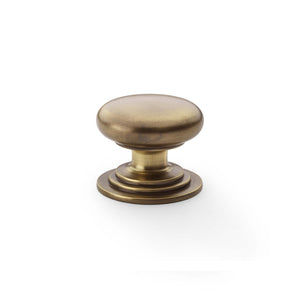
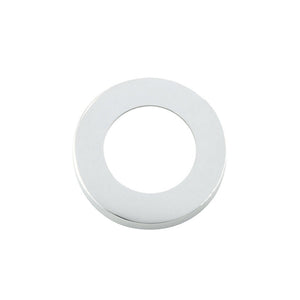
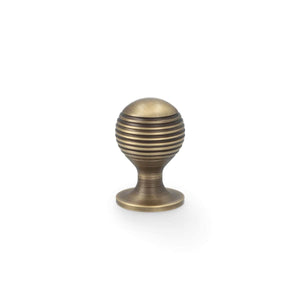
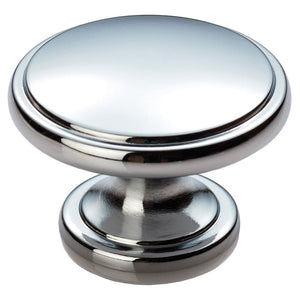
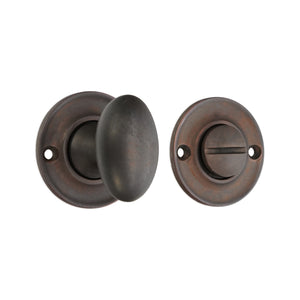
Mortice knobs are the natural fit for internal doors throughout the home. One thing worth knowing: because a knob is round and sits close to the door, a good set is usually mounted on a rose or backplate that holds it slightly proud, so your fingers don't catch the frame. That's why many customers pair their knobs with matching knob backplates for both looks and comfort.
Watch the door thickness and backset
Two measurements matter. The backset is the distance from the door edge to the centre of the spindle — it sets how far the knob sits from the frame. The door thickness affects how much spindle you need. On thinner doors, roomy knobs mounted too close together can feel tight, so allow enough clearance for your knuckles.
Rim knobs explained
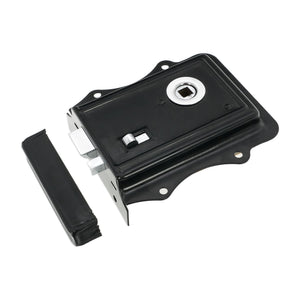
A rim lock is a self-contained box that screws onto the surface of the door's inside face, with a keep fitted to the frame. Rim knobs drive that mechanism: the spindle runs through the door into the back of the rim lock. This arrangement is common on older properties, cottage doors, and traditional front doors where the surface-mounted lock is part of the character.
If you're restoring a period door that already has a rim lock, you'll want rim knobs to suit. If you're fitting a new latch inside the door, you're in mortice territory instead. Always check what mechanism is already on (or going into) the door before you order.
How to tell which you need
- Look at the door. A box lock screwed onto the inside face means a rim lock — choose rim knobs. A neat door edge with only a latch faceplate showing means a mortice latch — choose mortice knobs.
- Consider the property. Standard modern internal doors are almost always mortice. Period and front doors are where you'll meet rim locks.
- Check the spindle. Rim sets often use a longer spindle because it has to reach a lock sitting on the surface.
Choosing a finish
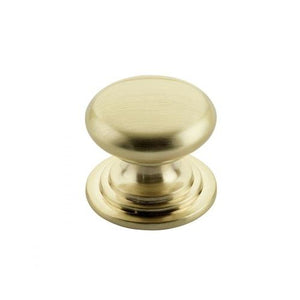
Once you've settled the mechanism, the fun part is the finish. Browse our full range of door knobs, or shop by colour: sleek black door knobs for a modern or industrial scheme, warm brass door knobs for a traditional feel, and bright chrome door knobs for a clean, timeless look. Whatever you pick, keep the finish consistent with the rest of your ironmongery for a considered result. Prefer a lever? Our wider handles range has plenty of alternatives.
Know your mechanism and ready to choose? Explore the full door knobs collection and order with confidence. We offer next-day delivery on in-stock orders and free UK delivery over £100.