Deadlock vs Latch: Which Door Lock Do You Need?
Deadlock vs Latch: Which Door Lock Do You Need?
Choosing the right door lock can be confusing, especially when terms such as deadlock, latch, sashlock and mortice lock are often used together.
The main difference is simple: a latch keeps a door closed, while a deadlock provides key-operated locking. A sashlock combines both functions in one lock case.
But which option is right for your door?
In this guide, we'll explain the difference between a deadlock and latch, how different locks and latches work, and what to check before buying a replacement.
What Is a Door Latch?
A door latch is designed to hold a door closed without necessarily locking it.
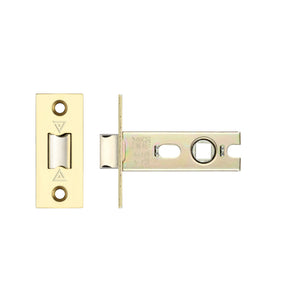
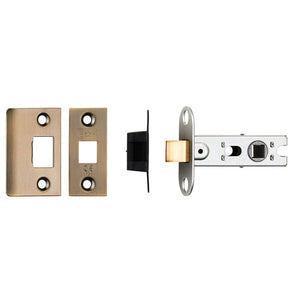
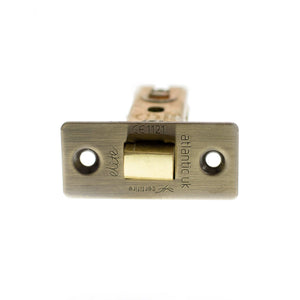
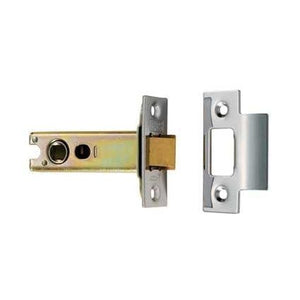
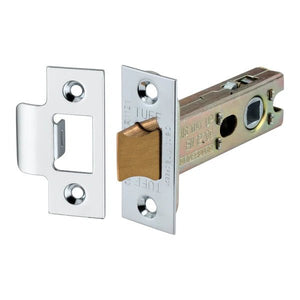
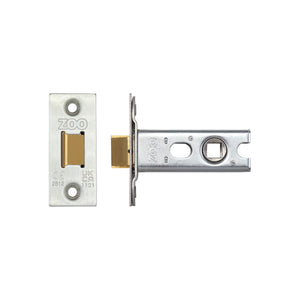
A typical tubular latch sits inside the door and has a sprung latch bolt. When you close the door, the bolt enters the strike plate in the frame and keeps the door shut. Operating the door handle retracts the latch so the door can be opened.
Tubular latches are commonly used on internal doors where key-operated locking isn't required.
For example, a bedroom, living room or hallway door may only need a tubular latch and a pair of lever handles.
You can browse the full range of tubular latches at Love Handles UK, including 64mm, 76mm, heavy-duty and fire-rated options.
What Is a Deadlock?
A deadlock uses a solid bolt that is operated by a key or cylinder. Unlike a spring latch, the bolt does not automatically retract when the door is pushed or pulled.
This makes a deadlock suitable for doors where key-operated security is required.
Deadlocks are available in different configurations, including:
-
3-lever deadlocks
-
5-lever deadlocks
-
Euro profile deadlocks
-
British Standard deadlocks
-
Flat deadlocks
Love Handles currently offers a range of deadlocks, including British Standard and Euro profile options.
For external or security-sensitive applications, always check the required certification and suitability of the specific lock before purchasing.
Deadlock vs Latch: What's the Difference?
The easiest way to understand the difference is to look at what each mechanism does.
| Feature | Door Latch | Deadlock |
|---|---|---|
| Holds door closed | ✓ | ✓ |
| Key-operated locking | Usually no | ✓ |
| Spring-loaded bolt | ✓ | No |
| Works with standard lever handles | ✓ | Depends on setup |
| Common internal-door application | ✓ | Sometimes |
| Security-focused locking | No | ✓ |
A latch is mainly about keeping the door closed.
A deadlock is designed to secure the door with a solid locking bolt.
So if you're searching for a latch lock or wondering whether you need a dead lock or latch, the answer depends on whether the door actually needs to lock.
What Is a Sashlock?
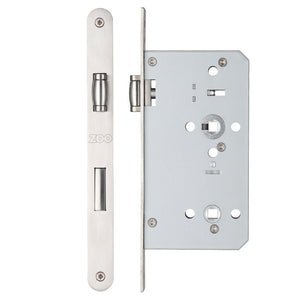
A sashlock combines a latch and deadbolt in the same lock case.
This means you get:
-
A sprung latch operated by the door handle
-
A deadbolt operated by a key or cylinder
This makes a sashlock useful when you want a door to close normally with a handle but also lock when required.
For example, an internal office door or an entrance door may benefit from a sashlock rather than having a separate latch and deadbolt.
Love Handles offers sashlocks in 5-lever, British Standard, Euro profile, oval profile and DIN configurations.
Deadlock or Sashlock?
Choose a deadlock when you specifically need a deadbolt and don't require a sprung latch within the same case.
Choose a sashlock when you need both a normal door latch and key-operated locking.
This is one of the most important differences to consider when replacing an existing lock.
What Type of Lock Do I Need?
The best door lock depends on the application.
Internal Door
If the door doesn't need to lock, a tubular latch is usually the straightforward option.
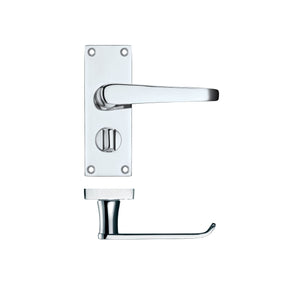
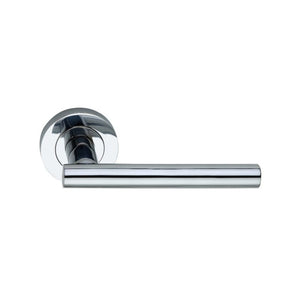
Pair it with suitable lever latch handles or door knobs.
Internal Door That Needs Locking
If you need both normal latching and key-operated locking, consider a sashlock.
This allows the door to close normally while providing a separate deadbolt for locking.
External Door
External doors require more careful consideration of security, door construction and certification.
Depending on the door, you may need a:
-
British Standard deadlock
-
British Standard sashlock
-
Euro profile lock
-
Night latch
-
Other certified security lock
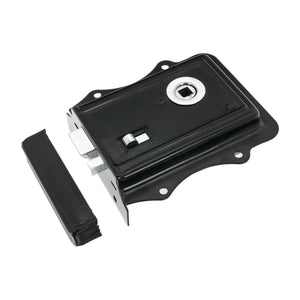
Love Handles' Locks & Latches collection includes deadlocks, sashlocks, tubular latches, night latches, rim locks and other door locking hardware.
What Size Door Lock Do I Need?
Buying the correct type of lock isn't enough. The dimensions also need to match your door.
Before ordering a replacement, check:
Backset
The backset is the distance from the edge of the door to the relevant centre line of the lock.
Make sure the replacement has the same backset or is suitable for the existing door preparation.
Lock Case Size
Check the overall size of the existing lock case, particularly if you're replacing a mortice lock.
Forend
The forend is the visible plate on the edge of the door.
Check its:
-
Length
-
Width
-
Shape
-
Screw-hole positions
-
Finish
Centres
For sashlocks and other locking mechanisms, check the distance between the handle spindle and keyhole or cylinder.
This is especially important if you're planning to keep your existing door handles.
What About Tubular Deadbolts?
A tubular deadbolt can be used alongside a tubular latch when you want to add a separate locking point to a door.
Unlike a latch, a deadbolt uses a solid bolt rather than a sprung tongue.
Love Handles stocks tubular deadbolts in different sizes, including 2.5", 3" and 4" options.
This can be useful for internal and lightweight doors where a separate latch and deadbolt arrangement is appropriate.
How to Choose the Right Lock
Before buying a new lock or latch, ask yourself these questions:
Does the door need to lock?
If not, a tubular latch may be enough.
Do you need both latching and locking?
A sashlock could be the better option.
Do you specifically need a deadbolt?
Consider a deadlock or suitable tubular deadbolt.
Are you replacing an existing lock?
Measure the existing lock before ordering.
Is it an external or security-critical door?
Check the required British Standard or other certification.
Are you keeping your existing handles?
Check the backset, centres and handle compatibility.
Deadlock, Latch or Sashlock: Quick Answer
If you're still unsure, this is the simplest way to decide:
Choose a latch if you only need the door to stay closed.
Choose a deadlock if you need a key-operated deadbolt.
Choose a sashlock if you need both a latch and a deadbolt in one lock case.
For more options, browse the complete Locks & Latches range at Love Handles UK.
Final Thoughts
Understanding the difference between a deadlock, latch and sashlock makes choosing door hardware much easier.
A latch is primarily designed to keep a door closed, while a deadlock provides key-operated locking. A sashlock combines both functions, making it a practical choice when you need normal latching as well as locking.
Before ordering, always check the lock type, backset, case dimensions, centres and certification requirements.
If you're replacing an existing lock, matching the measurements of the old lock is often the safest starting point.
Browse deadlocks, sashlocks and tubular latches to find the right door hardware for your project.
Frequently Asked Questions
Is a deadlock better than a latch?
They perform different functions. A latch is designed mainly to hold a door closed, while a deadlock provides key-operated locking. The right choice depends on the door and security requirements.
What is the difference between a lock and a latch?
A latch normally holds a door closed using a sprung bolt, while a lock provides a method of securing the door against opening, usually using a key, cylinder or other locking mechanism.
Can I use a deadlock on an internal door?
Yes, depending on the door and application. Deadlocks are available in different sizes and configurations for various internal and external applications.
Is a sashlock the same as a deadlock?
No. A sashlock contains both a sprung latch and a deadbolt, whereas a deadlock contains the deadbolt without the standard sprung latch.
How do I know which door lock will fit?
Measure your existing lock, including the backset, case dimensions, forend and centres. Then compare those measurements with the replacement lock's specifications.