Bathroom Door Locks: Privacy Handles, Bathroom Locks or an Indicator Bolt?
There are four common ways to lock a bathroom door. Privacy handles have a small turn built into the backplate that locks the handle itself, and they work with a standard tubular latch. Bathroom lock sets use a separate bathroom lock in the door, operated by a turn and release. Turn and release kits are the turn and the outside release on their own, to pair with handles on a rose. An indicator bolt is a surface-fixed bolt with a vacant/engaged display.
If you're replacing what's already there, the easiest route is to match the type you have. If you're starting from scratch, a bathroom lock set or turn and release gives the most secure, traditional result, while a privacy handle is the simplest to fit.
This guide explains how each one works, what to check on your door, and which suits your home.
The four types of bathroom door lock
1. Privacy handles (lever on privacy backplate)
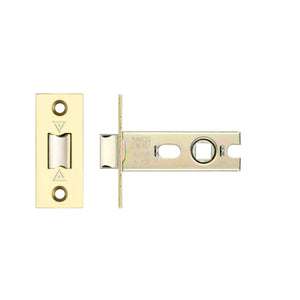
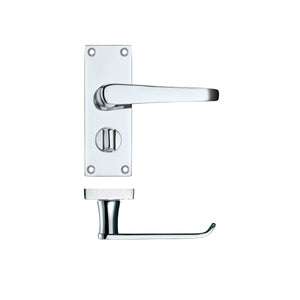
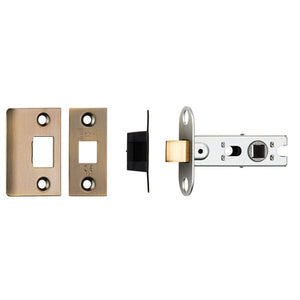
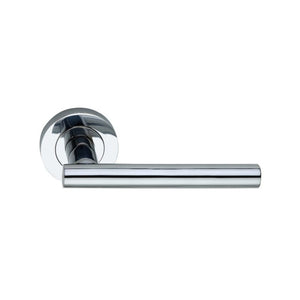
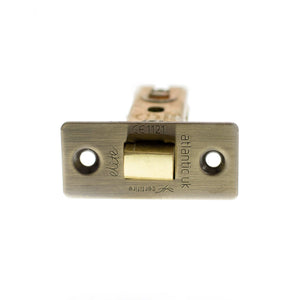
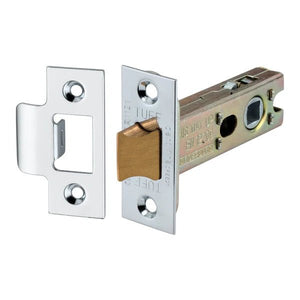
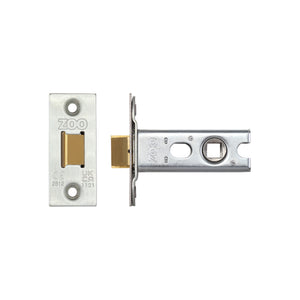
A privacy handle has a small turn built into the inside backplate. Turning it locks the handle, so it can't be opened from outside. Because the lock is inside the handle, the door only needs a standard tubular latch, not a separate bathroom lock. That makes privacy handles quick to fit and a popular choice for bedrooms, en-suites and family bathrooms.
Our Victorian flat lever on privacy backplate is a good example, paired with a tubular latch.
2. Bathroom lock sets (lever on bathroom backplate)
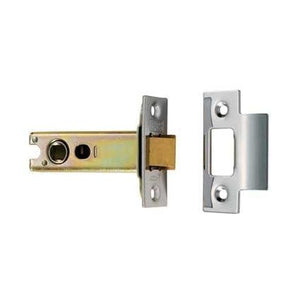
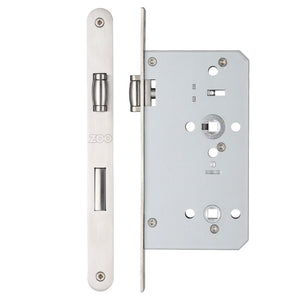
A bathroom set uses handles on a bathroom backplate, with a turn on the inside and an emergency release on the outside, fitted to a separate mortice bathroom lock. The turn throws a deadbolt in the lock, so the door is held shut by a bolt rather than by locking the handle. It's the traditional choice for bathrooms and feels very solid.
3. Turn and release kits (handles on a rose)
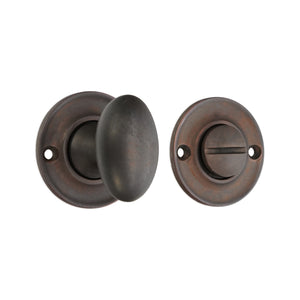
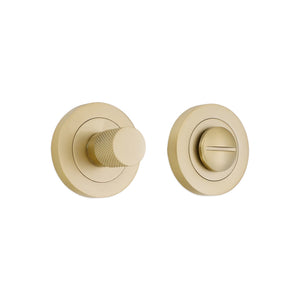
If you prefer lever handles on round roses, the locking is done by a separate turn and release: a small turn on the inside and a release on the outside, each on its own rose. It works with a bathroom lock, and lets you match the look of handles on a rose used elsewhere in the house. See our bathroom turns.
4. Indicator bolts
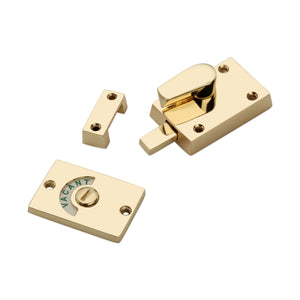
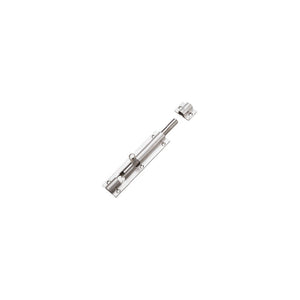
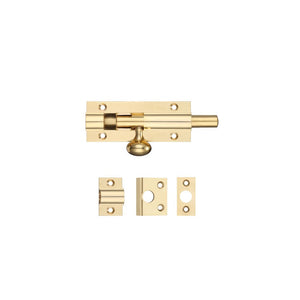
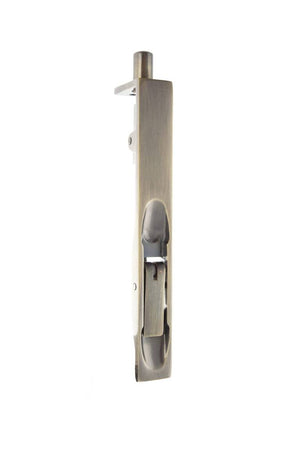
An indicator bolt is fixed to the surface of the door and frame. Sliding the bolt shows "engaged" on the outside, and most have an emergency release. It needs no mortice in the door, so it's useful for cloakrooms, commercial toilets or doors where a lock can't be fitted. See our indicator bathroom bolt.
Side-by-side comparison
|
Type |
How it locks |
What else you need |
Best for |
|---|---|---|---|
|
Privacy handles |
Turn locks the handle |
Tubular latch |
Easy fitting, bedrooms and en-suites |
|
Bathroom lock set |
Turn throws a deadbolt |
Bathroom lock (mortice) |
Traditional, solid bathroom lock |
|
Turn and release |
Turn throws a deadbolt |
Bathroom lock + handles on a rose |
Matching handles on a rose |
|
Indicator bolt |
Surface-fixed bolt |
Nothing in the door |
Cloakrooms, commercial toilets |
How to choose
Replacing an existing lock? Look at what's on the door now:
- One mechanism in the door edge and a turn on the handle backplate → privacy handles with a tubular latch.
- A lock in the door edge with a deadbolt, and a separate turn (on the backplate or on its own rose) → a bathroom lock set or turn and release.
- A bolt fixed to the face of the door → an indicator bolt.
Matching the type you have avoids drilling new holes or cutting a bigger recess.
Fitting a new door? Choose by look and use. A bathroom lock with a turn and release gives a solid deadbolt and suits most homes. Privacy handles are simpler and quicker to fit. An indicator bolt suits commercial toilets where people need to see at a glance whether the room is free.
What to check on your door
- The backset: measure from the door edge to the centre of the handle spindle. Most UK internal doors use a 57mm backset (76mm case) or 45mm (64mm case).
- The centres (bathroom locks only): measure from the centre of the handle spindle to the centre of the turn spindle. Your new lock and handles need to match.
- The door thickness: check the spindle and turn lengths suit your door.
- Fire doors: if the bathroom door is a fire door, use fire-rated locks or latches and keep the intumescent kit in place.
Always have an emergency release
Whichever type you choose, make sure it can be opened from outside in an emergency. Bathroom sets and turn and release kits have a release on the outside, usually opened with a coin or screwdriver, and most indicator bolts have one too. This matters most in family homes, where a child could lock themselves in.
Frequently asked questions
What's the difference between privacy and bathroom door handles? On privacy handles, the turn locks the handle itself and the door uses a standard tubular latch. On bathroom handles, the turn throws a deadbolt in a separate bathroom lock.
Can I use privacy handles on a bathroom? Yes. Many people use them on bathrooms and en-suites. If you'd prefer a deadbolt, choose a bathroom lock set instead.
Do I need a special latch for privacy handles? No. Privacy handles work with a standard tubular latch, not a bathroom lock.
Can a bathroom lock be opened from outside? Most can. Bathroom sets and turn and release kits have an emergency release on the outside, usually turned with a coin or screwdriver.
Will new bathroom handles fit my old lock? Only if the type and the centres match. Measure from the centre of the handle spindle to the centre of the turn spindle before ordering.
Shop bathroom door hardware
Browse our bathroom handles, bathroom turns, tubular latches and the indicator bathroom bolt. Order before 2pm for next-day UK delivery.
Still not sure which you need? Call us on 0151 707 6858 or email support@lovehandles.uk.com with a photo of your door and we'll help.