Antique Brass vs Satin Brass vs Polished Brass Explained
Brass is having a well-deserved moment, but “brass” isn't one single look. The same warm metal can arrive bright and mirror-like, soft and matt, or deep and mellow, depending on how it's finished. If you've ever been unsure which to order, this guide breaks down antique, satin and polished brass in plain terms so you can choose with confidence.
First, what they have in common
All three are brass, an alloy of copper and zinc prized for its warmth. The difference is in the surface treatment: how much it's polished, whether it's been aged, and whether a lacquer is applied to hold the colour. That surface is what changes the whole personality of a handle, so it's worth understanding before you buy.
Polished brass: bright and glamorous
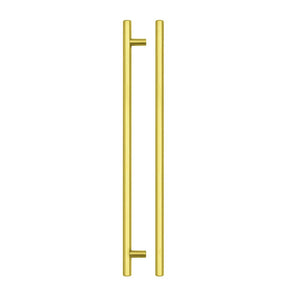
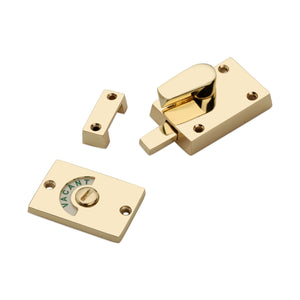
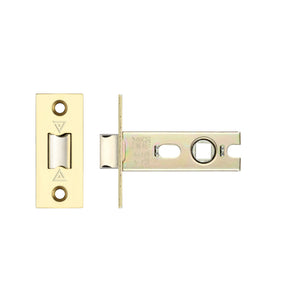
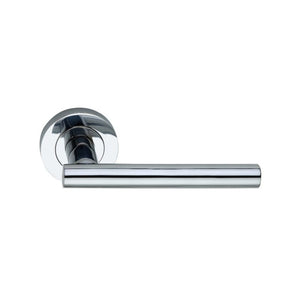
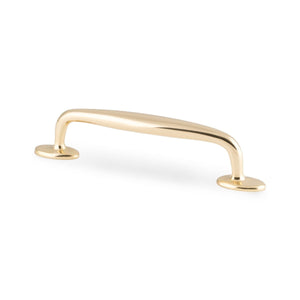
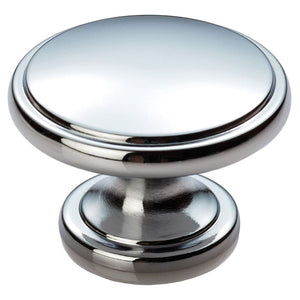
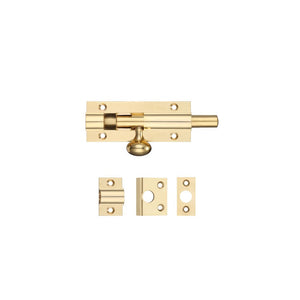
Polished brass is the boldest of the three, a high-shine, golden finish that catches the light and makes a real statement. It suits period properties, grand doors and anyone who wants their hardware to sparkle. Because it's so reflective, it shows fingerprints and the odd smudge more readily, and if it's unlacquered it will naturally darken over time. Lacquered polished brass stays brighter for longer with minimal fuss. It's a classic choice for brass door handles where you want a touch of drama.
Satin brass: soft, matt and understated
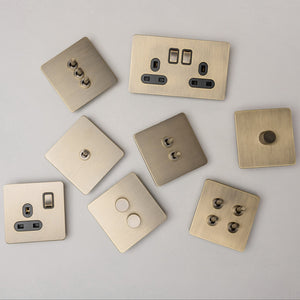
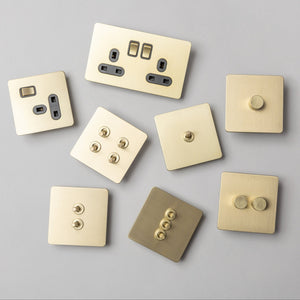
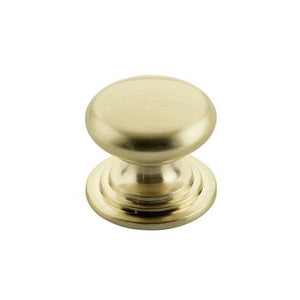
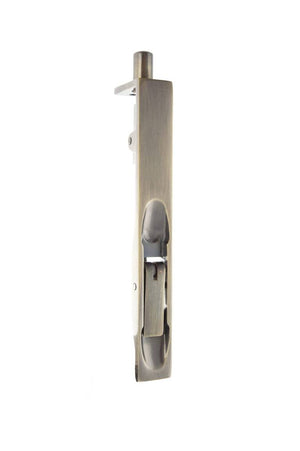
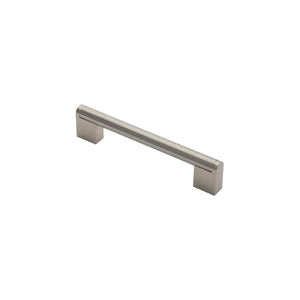
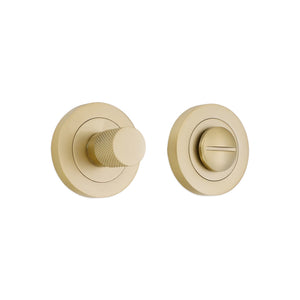
Satin brass (sometimes called brushed or matt brass) has the same warm tone but with the shine taken down to a gentle, muted glow. It's the most contemporary of the three and enormously popular in modern kitchens, where it reads as warm without being flashy. The brushed surface is also more forgiving of fingerprints than a mirror polish, which makes it a sensible pick for cabinetry that gets handled all day. Have a look at our brass kitchen handles to see how soft and liveable satin brass can be.
Antique brass: deep, warm and full of history
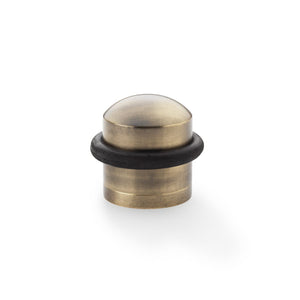
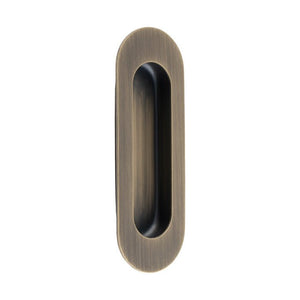
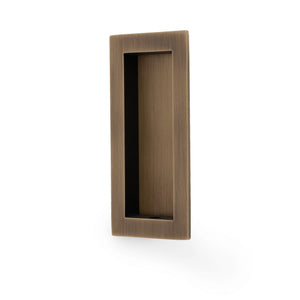
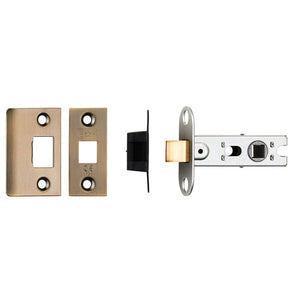
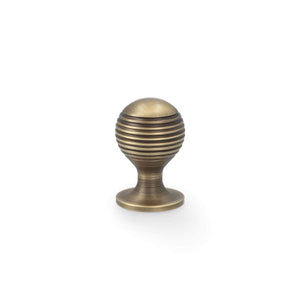
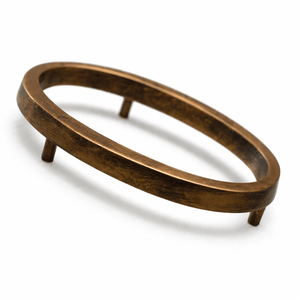
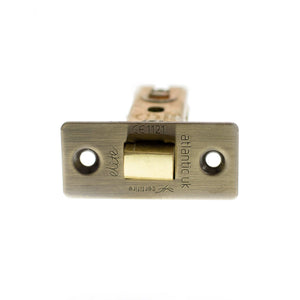
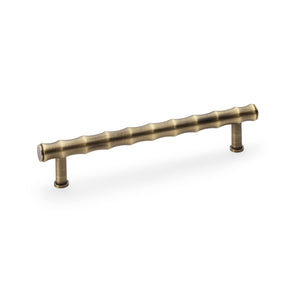
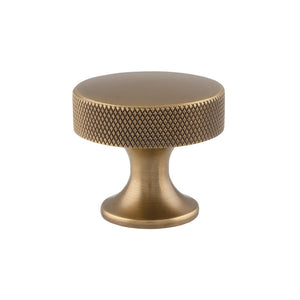
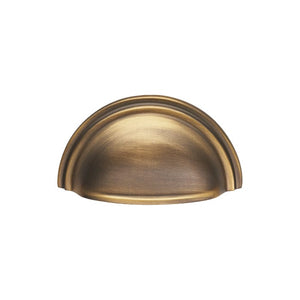
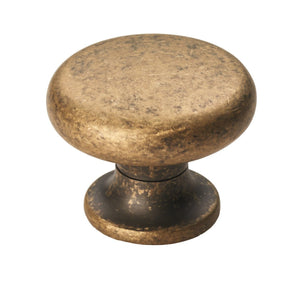
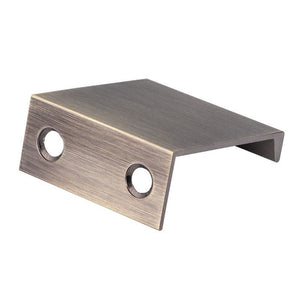
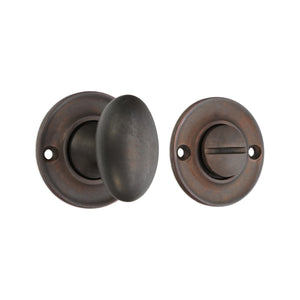
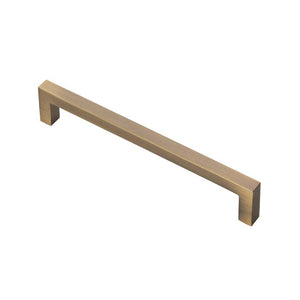
Antique brass is deliberately aged to give a darker, browner, more mellow tone, often with subtle variation across the surface that mimics decades of natural wear. It's the cosiest of the three and a favourite for cottages, traditional kitchens and anywhere you want instant character. It hides marks and everyday handling beautifully, so it's very low-maintenance. Explore antique brass kitchen handles and antique brass door handles if a lived-in, timeless feel is what you're after.
Lacquered or unlacquered?
This is the other question worth asking. A lacquered finish seals the brass so the colour stays put, ideal if you want consistency and less upkeep. Unlacquered (or “living”) brass is left bare, so it ages and patinas over time, developing a character all of its own. Neither is better; it depends on whether you prefer a finish that stays the same or one that evolves with your home.
How to choose between them
Think about the mood of the room. Polished brass brings glamour and works with formal, classic schemes. Satin brass suits clean, modern spaces and pairs effortlessly with painted cabinetry. Antique brass leans warm and traditional and flatters natural wood and stone. It also helps to match your other metals: keep taps, lighting and hardware in a similar brass tone for a cohesive look, or contrast deliberately if you're confident.
Caring for brass
Whichever finish you choose, kindness goes a long way. Wipe with a soft, dry or slightly damp cloth and avoid abrasive creams and harsh chemical cleaners, which can strip lacquer or scratch the surface. Lacquered and antique finishes need very little; polished unlacquered brass can be gently buffed if you like it bright, or simply left to age.
The best way to settle on a tone is to see them together. Compare bright, satin and aged options across our brass door knobs and wider brass ranges to find the warmth that's right for you. We offer next-day delivery on in-stock orders and free UK delivery over £100.