How to Match Kitchen Handles with Worktops and Units
Coordinating your kitchen door handles with your cabinets and worktops isn’t just about good looks—it’s what makes a kitchen feel finished. And yet, this small detail often gets left to the last minute. It’s easy to get lost in tiles and appliances, but the right handle can bring the whole space together, or quietly throw it off.
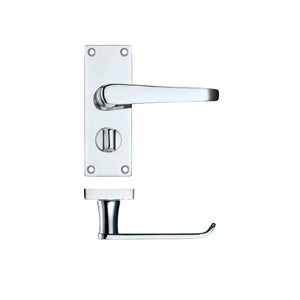
So, whether you’re refreshing cupboard fronts or planning a full renovation, this guide walks through the simple choices that lead to confident combinations. You’ll learn how to pair materials, where contrast can be clever, and how different finishes feel in real kitchens. And if you’re looking for a place to start, our full range of kitchen handles is organised by door style to help you find your fit fast.
Why Handle Choice Affects the Whole Kitchen

Kitchen door handles might be small, but they take up more visual space than you'd think. That’s because they’re dotted across every cupboard, drawer and larder door—each one repeating a shape, a line, a colour. So, in some respects, they’re the details your eyes quietly track without realising. The wrong choice? It can throw the whole design slightly off balance.
But it’s not just about how things look. Handles are, by their nature, touched constantly. So, the feel matters too. Smooth or textural, chunky or discreet—these things actually change how the kitchen works day to day. Brushed brass is beautiful, sure, but if it smudges too easily in your setup, you might end up constantly wiping it down.
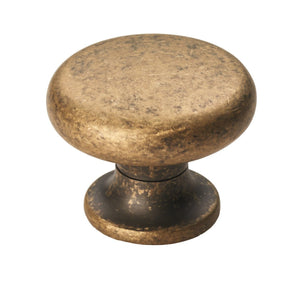
The key, really, is to balance beauty with use. Matching cabinet handles to your layout and lifestyle saves hassle later. And often, choosing handle finishes for kitchens that age well, like aged bronze or matte black, means they’ll keep looking better, not worse, as time goes on.
Start with Your Cabinet Style
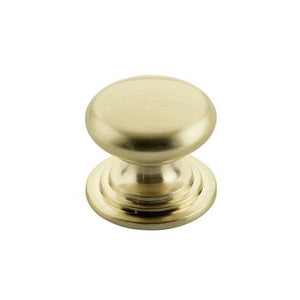
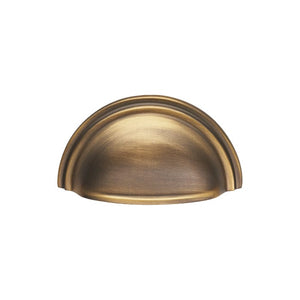
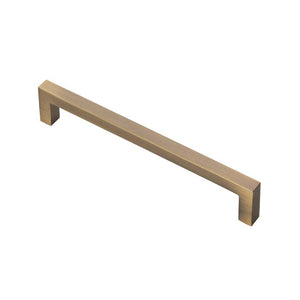
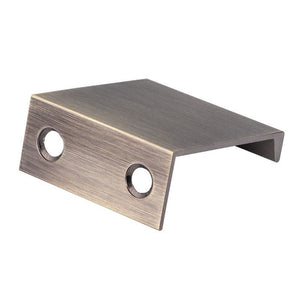
Cabinet design, more or less, sets the tone for every other choice, including your kitchen door handles. It sounds obvious, but sometimes it's easy to overlook. A sleek slab door, for instance, tends to suit slimline bars or discreet edge pulls, while a more traditional shaker-style calls for chunkier knobs or cup handles that sit proudly on the surface.
It’s the shape and line of the unit that guides what feels right. Flush or framed? Painted or woodgrain? These things, together, steer the style of handle that’ll look like it always belonged there.
And it’s not just looks—it’s also about how handles fit in your hand. Smaller drawers benefit from handles you can grip without fuss, while tall pantry doors might need longer pull handles to keep things practical.
Choosing Handles That Complement Worktop Finishes

The relationship between your worktops and kitchen cabinet hardware might be more subtle than cabinet style, but it’s just as telling. Certain combinations, like brushed brass with deep-veined marble or polished chrome alongside pale quartz, just seem to click. Others feel slightly off, even if you can’t put your finger on why.
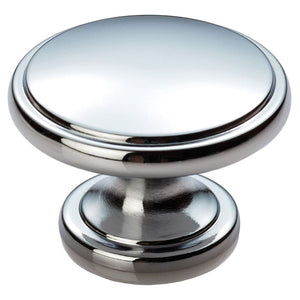
Worktop and handle combinations work best when you think about texture and tone together. High-gloss finishes, for example, often reflect light back in a way that suits cooler, shinier hardware like chrome or stainless steel. On the other hand, natural stone or timber tends to respond better to softer finishes—think antique pewter or matte black.
That said, it's not about exact matching. It’s more about creating harmony. A warm-toned granite worktop with rich brass handles feels pulled together. A cool-toned composite with muted gunmetal? Just as considered, but completely different in vibe.
So, choosing stylish kitchen hardware that complements your worktop material doesn’t need to be complex—it just needs to feel balanced.
Balancing Colour, Texture, and Finish

Colour, texture and finish—on paper, they sound like design terms. But in your kitchen, they’re what creates mood. Glossy or matt, warm or cool, textured or smooth—these differences show up more than you’d expect, especially under spotlights or daylight.
Matching cabinet handles exactly to your tap or lighting can work, but too much sameness tends to feel a bit flat. Adding just a little contrast—say, a brushed steel handle on a satin grey door—keeps things from blending too much.
Lighting makes a big difference here. What looks like a perfect tone in the showroom might appear totally different under your kitchen lights. So, whenever possible, check finishes in your space before you decide. A few samples under the lights you actually use? That usually tells you more than any website photo ever could.
Popular Combinations That Work Well
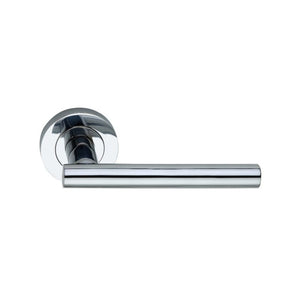
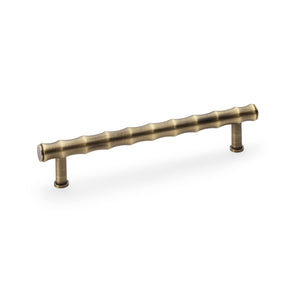
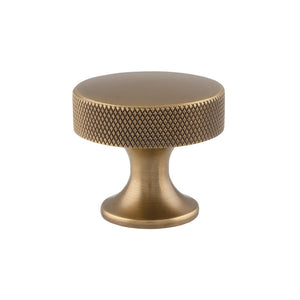
Here are some handle and worktop pairings that tend to work well, even across different kitchen styles. Matte black handles with white marble worktops create a bold, modern look that’s also practical when it comes to fingerprints. Brushed brass cup handles paired with navy shaker units and oak worktops offer a warm, traditional feel with plenty of character. For a clean and sleek option, chrome bar pulls with glossy white units and grey quartz surfaces reflect light nicely. Antique pewter knobs with sage green units and butcher block worktops give a soft, lived-in look, while polished nickel handles with charcoal cabinets and white composite worktops make a striking but unforced statement. Bronze T-bar handles with off-white cabinets and concrete-effect laminate create an understated industrial edge that avoids feeling cold. These combinations can be a great starting point, but don’t be afraid to try something unexpected—your own mix might work just as well.
When to Mix or Contrast for Effect
Mixing metals in kitchen design can feel risky, but when it’s done with a bit of intention, it actually helps a space feel layered, not chaotic. The key is to repeat one finish more than once, so it doesn’t feel like an accident. For example, if you’ve got matte black kitchen door handles, consider echoing that tone in the tap or light fittings, while using a warmer metal like brass elsewhere for warmth.
If your units are all one colour, a contrasting handle can lift them. Think dark handles on pale cabinetry, or soft brass against muted blue. The contrast adds energy, but still feels composed.
And if you’re not quite sure? Try just one standout handle on a feature cabinet—like a pantry or island—while keeping the rest of the space consistent. It’s a good way to test the waters without committing to a full contrast scheme.
Got questions about stylish kitchen hardware or want help finding your perfect match? Just head over to our contact us page—we’re happy to help.