The Ultimate Guide to Choosing the Right Door Handle
Choosing door handles might seem, at first, like a small task in the grand scheme of your home or project – but it’s one of those details that makes a huge difference. The feel of a handle in your hand, the way it fits a space, and whether it actually does what you need – it all adds up.
Whether you’re replacing old fittings, selecting hardware for a renovation, or specifying dozens of sets for a client, getting it right matters. So, this isn’t just about finding something that looks nice – it’s about choosing door hardware that works, lasts, and suits your space. You’ll come away knowing what fits where, what looks right, and what to watch out for.
Understanding Different Types of Door Handles

Lever Handles
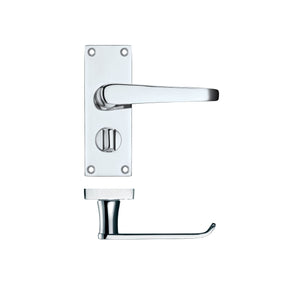
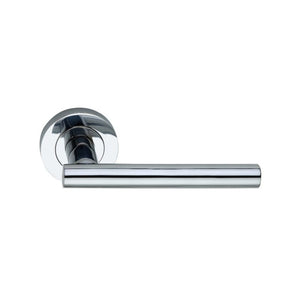
Lever handles are the go-to choice for most UK homes – and with good reason. They’re easy to operate (no need to twist or grip hard), they suit all ages and accessibility needs, and they come in more styles than most people realise.
A straight or gently curved lever works brilliantly in modern spaces, especially when paired with a round or square backplate. Traditional lever handles tend to have more detailed shapes – scrolls or twists – and look best with panelled doors or period mouldings.
Contractors often favour levers for speed. Most come with straightforward fixing kits, and you’ll usually find matching versions for bathroom, passage, and entry use – saving time on site. Designers tend to lean on lever sets because they offer cohesion across a full property, yet can be mixed up slightly with different rosettes or finishes, room-by-room.
Room examples:
-
Bedrooms: Privacy levers with internal turn locks
-
Kitchens: Sleek levers in brushed or matte finishes for clean handling
-
Offices: Levers with backplates to suit a more formal look
Quick tip: If you're left-handed or dealing with unusual door swings, double-check whether the lever is reversible.
Door Knobs
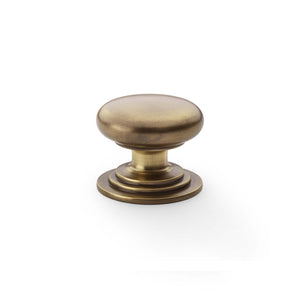
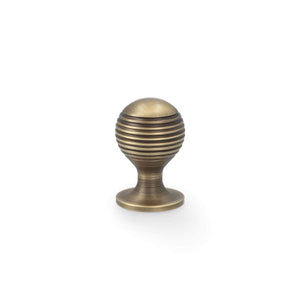
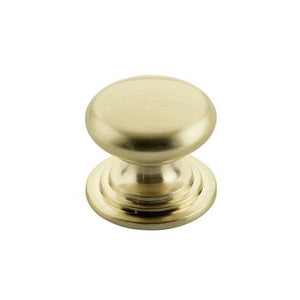
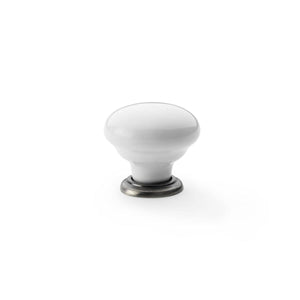
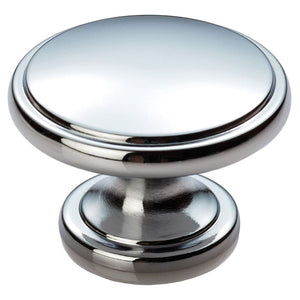
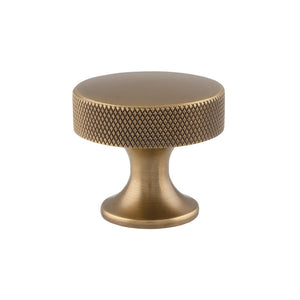
Door knobs add a little more charm – and in the right home, they feel totally at ease. You’ll find them in everything from restored townhouses to cottage bathrooms. But while they look beautiful, they do require a bit more effort to use.
For older users, young children, or high-traffic spaces, knobs can sometimes be less practical than levers. That said, they're unbeatable in terms of period character. Choose from glass, ceramic, wood, or metal finishes – each brings a slightly different mood to the room.
Designers often use knobs to soften a space – they're especially good on wardrobes and cupboard doors where a lever would feel oversized. Meanwhile, homeowners can get a full suite of knobs (including locking bathroom sets) to match across the whole upstairs, for instance.
Room examples:
-
Living rooms: Dummy knobs on double doors or French doors
-
Bathrooms: Privacy knobs with emergency release
-
Cabinets: Small round knobs to echo larger ones nearby
Quick tip: Look out for concealed fixing options – they make the final look far neater.
Pull Handles
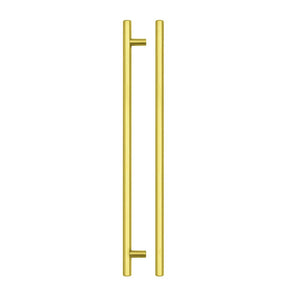
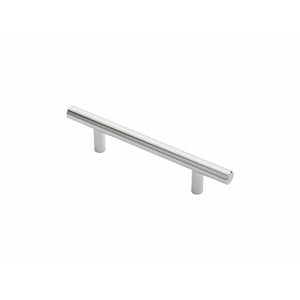
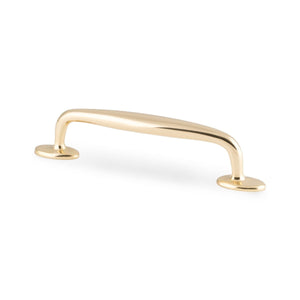
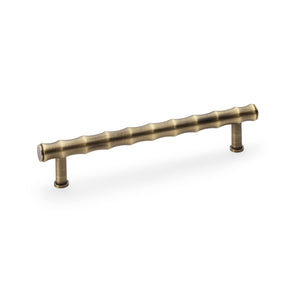
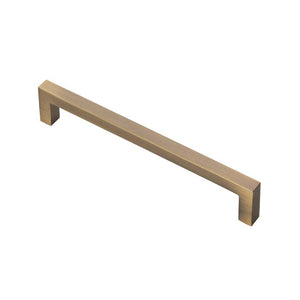
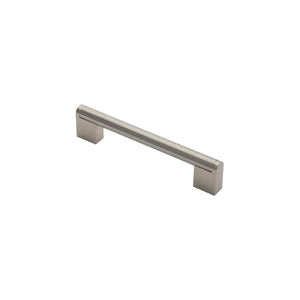
Pull handles do exactly what they say – you grab and pull. No turning, no latch. That makes them ideal for sliding doors, larger cupboards, or feature doors where you want a bold visual detail without any internal mechanism.
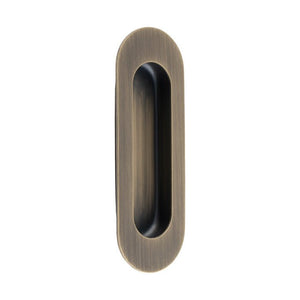
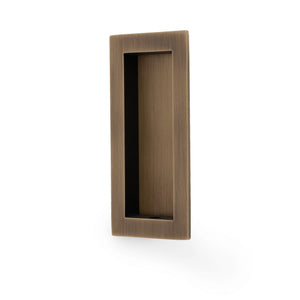
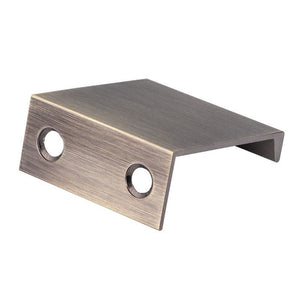
There’s a lot more design freedom here. Oversized bar pulls in black or bronze can make a real statement, especially on large pantry or wardrobe doors. In minimalist homes, recessed pull handles are popular – they sit flush with the door, keeping lines clean and fuss-free.
From a contractor’s view, pull handles tend to be easier to fit – fewer moving parts and no latch to align. Homeowners like them for ease of use, and designers often use them in high-impact areas where the handle becomes part of the design rather than fading into the background.
Room examples:
-
Sliding bathroom doors: D-shaped stainless pull handles
-
Kitchen pantry: Oversized vertical pulls in brushed brass
-
Wardrobes: Discreet recessed pulls for a flush finish
Assessing Functionality and Usage
The way a door handle functions is often more important than how it looks. You might have the perfect finish and shape in mind – but if the set doesn’t suit the room’s purpose, it can cause daily frustration or worse, need replacing.
This bit’s especially useful if you’re trying to kit out a full home, manage a development, or just make sense of confusing labels while shopping online. Most residential door handles fall into three main categories: passage, privacy, and keyed entry.
Passage Sets
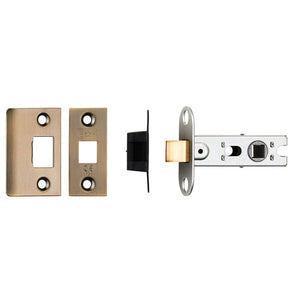
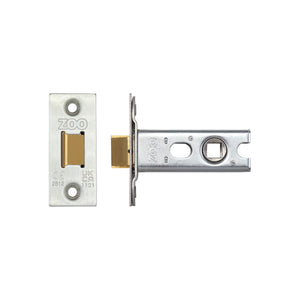
These handles include a latch that holds the door closed but no locking mechanism. They’re designed for rooms that need easy access from both sides – nothing more, nothing less. Think of doors that divide spaces, not secure them.
Common uses: Hallways, kitchen doors, lounges, under-stairs cupboards
Perfect for: High-traffic areas where convenience matters most
Installer tip: These are the simplest to fit and usually the quickest win on site. Just ensure the latch length matches the backset.
Privacy Sets
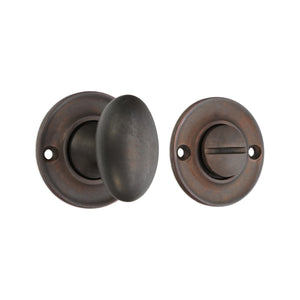
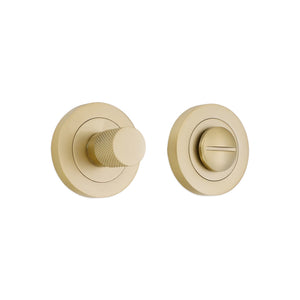
These are made for rooms where you want a bit of seclusion – bedrooms and bathrooms being the obvious two. They feature a thumb turn on the inside and a simple release on the outside, often operated with a coin or flathead screwdriver.
Common uses: Bathrooms, guest bedrooms, home offices
Perfect for: Families with young kids, shared homes, or anywhere needing occasional privacy
Homeowner note: You won’t need keys to unlock these – useful during those “someone locked themselves in the bathroom” moments.
Keyed Entry Sets
These are the most secure. You’ll typically find them on front doors, garages, or exterior spaces. They come with a key-operated lock, and often a deadbolt as part of the set.
Common uses: Main entrances, side doors, garden offices
Perfect for: Entry points or any room that needs proper security
Contractor reminder: If you're ordering for a project, check whether sets are keyed alike or individually – it makes a big difference at scale.
Quick Comparison Table
|
Feature |
Passage Set |
Privacy Set |
Keyed Entry Set |
|
Locking? |
No |
Thumb turn inside |
Key-operated |
|
Latch included? |
Yes |
Yes |
Yes |
|
Emergency access? |
Not needed |
Slot or coin release |
Spare key only |
|
Installation level |
Easy |
Moderate |
Moderate – advanced |
Matching Door Handle Styles to Your Home’s Design

There’s something oddly satisfying about finding a door handle that just feels right in a space. And it’s not always about matching everything exactly – sometimes contrast works better than coordination.
So, whether you're trying to stay true to the period of your property, inject a bit of boldness into a modern space, or keep things neutral across a rental, there are some basic style cues that can help guide your choices.
Modern and Contemporary Styles
Clean, geometric, and fuss-free – that’s the general brief. Contemporary homes tend to feature flat or gently curved levers, minimal backplates, and subtle finishes.
Handles in matte black, satin chrome, or brushed nickel often sit best here. And many newer designs come with invisible fixings or slimmer rosettes, which help keep things tidy and minimal.
Perfect pairings:
-
Matt black handles on crisp white or charcoal doors
-
Brushed stainless on flush cabinetry in kitchens
-
Angular handles with square rosettes in new-build flats
Homeowner tip: Want something modern but not too trendy? Satin chrome is a safe bet – it works across decades without looking out of place.
Designer note: Try blending warm woods with matte black hardware for a Scandinavian edge.
Traditional and Classic Styles
Here we’re talking about moulded architraves, panelled doors, and finishes that feel warm rather than stark. Think curved levers, round or ornate knobs, and finishes like polished brass, antique bronze, or pewter.
In period properties, classic handles feel ‘settled’ – like they’ve always been there. Even in new homes, traditional styles can add a feeling of richness and depth.
Perfect pairings:
-
Brass knobs on Victorian 4-panel doors
-
Bronze levers with arch top rosettes in country homes
-
Pewter or antique finishes in cottage renovations
Homeowner tip: Want to modernise a classic space without clashing? Try polished chrome in a traditional shape – it nods to the past, but with a fresh finish.
Contractor insight: Bulk-buying traditional sets? Look for those with flexible spindle lengths and retrofit-friendly plates – especially on older doors.
Rustic and Vintage Styles
These spaces are full of texture – natural woods, worn metals, reclaimed details. Handles here aren’t there to be slick – they’re there to feel solid, characterful, and sometimes even imperfect.
Aged brass, hammered metal, and oil-rubbed bronze all fit beautifully. Pull handles in raw or forged metal are common, especially on wardrobes or barn-style sliders.
Perfect pairings:
-
Aged bronze D-handles on sliding barn doors
-
Hammered brass knobs on kitchen cabinets
-
Reclaimed wood doors with chunky pull handles
Homeowner tip: Avoid overly shiny finishes – stick with brushed, patinaed, or textured looks that age well.
Designer note: Pair mismatched handles across a space for a curated, vintage look – especially with upcycled furniture.
Choosing the Right Finish and Material
There’s more to door handles than just colour or shine. The finish you choose doesn’t only affect how the handle looks – it changes how it wears, how often it needs cleaning, and how it feels under your hand. Underneath that finish, the base material makes just as much of a difference. It affects the weight, durability, and even the way the handle sounds and moves.
So, whether you're buying for a forever home, a rental property, or a client project, it’s worth knowing what you're actually getting.
Popular Finishes
Here are the most commonly seen finishes – with the pros, quirks, and practical details that matter.
-
Matte Black – Bold and contemporary, matte black works well in modern homes or industrial-inspired interiors. It’s great at hiding fingerprints, though poor-quality versions can chip over time, especially on corners.
-
Satin Chrome / Brushed Nickel – These finishes are somewhere between silver and grey, with a soft, brushed look that resists fingerprints. Ideal for high-traffic areas and busy family homes – they’re low-key, functional, and versatile.
-
Polished Chrome – Shiny, reflective, and striking, polished chrome works well in bathrooms or glossy kitchen spaces. It looks clean but will show every smudge or splash.
-
Polished Brass – Warm, bright, and traditionally styled, polished brass suits period interiors. Unlacquered brass will age naturally, while lacquered options keep their shine but may require more delicate cleaning.
-
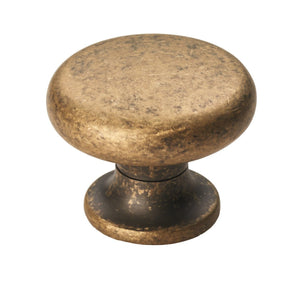
Antique Bronze / Aged Brass – These add character and depth, especially in rustic or vintage-inspired rooms. Their darker, muted tones are great at hiding everyday wear.
Material Durability
The base material underneath the finish matters more than most people realise. It affects how heavy the handle feels, how long it’ll last, and how it copes with daily wear.
-
Zinc Alloy (Zamak) – A cost-effective material used in many mid-range handles. Lightweight and easy to shape, but not as tough as brass or steel. Great for low-use or decorative doors.
-
Aluminium – Very light, corrosion-resistant, and good for humid areas. However, it can feel slightly flimsy and isn’t ideal where you want that solid, reassuring grip.
-
Stainless Steel – Highly durable, especially in areas exposed to moisture. It’s heavier and more robust, making it ideal for bathrooms, utility spaces, or homes near the coast.
-
Solid Brass – A top-tier option. Heavy, hardwearing, and naturally resistant to bacteria. It’s often the material of choice for premium handle ranges and is known to last decades with the right care.
Maintenance Considerations
Different finishes demand different levels of upkeep.
Polished finishes (like chrome or brass) tend to highlight every fingerprint and water spot – expect to wipe them down more regularly. They’re stunning, but they do ask for attention.
Brushed or satin finishes hide smudges better and are easier to keep looking fresh with minimal effort – great for busy homes.
Unlacquered finishes age over time, developing a patina that many people love. They will darken or dull naturally – it’s part of the charm. If you’d rather keep them bright, regular polishing is required.
Lacquered finishes are sealed and won’t age, but the coating can scratch or peel over time – especially if abrasive cleaners are used.
Tip: For rental properties or family homes, go for something with a satin or brushed surface. You’ll spend a lot less time buffing out fingerprints.
Measuring and Installation Considerations

Getting the right door handle isn’t just about how it looks – it needs to fit, feel right, and function without hassle. This bit’s often skipped, but it’s arguably where most of the real decision-making happens. A few simple checks can save you from misaligned handles, awkward installations, or having to send things back.
Whether you’re replacing an old set or installing from scratch, these three checks will help you get it spot on.
Backset Measurements
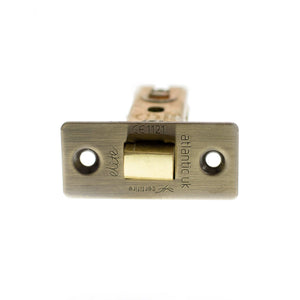
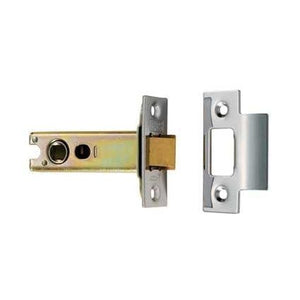
The backset is the distance from the edge of your door to the centre of the spindle hole – the part where your handle connects through the door. Most internal UK doors use one of two standard backsets:
-
44mm (fits a 64mm latch case)
-
57mm (fits a 76mm latch case)
If you're fitting a new handle into an existing latch, measuring the current backset is the simplest way to make sure the replacement fits without leaving old holes exposed.
Use a ruler or tape measure from the door edge to the centre of the handle hole. If you're starting fresh, the backset you choose can affect how the handle looks – closer to the edge feels more modern, while a deeper set feels more traditional.
Door Thickness
Most UK internal doors are either 35mm or 44mm thick. These are considered standard sizes, and nearly all off-the-shelf handles will be compatible. But older homes, fire-rated doors, or bespoke joinery might throw in a curveball.
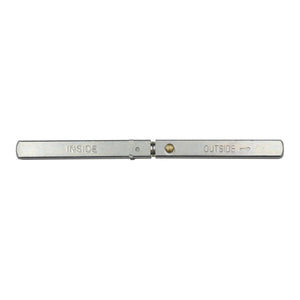
For thicker doors, always check that the spindle and bolt-through fixings supplied are long enough. Many higher-end brands provide adjustable or extended kits, but budget sets sometimes fall short.
Tip: Measure your door thickness in millimetres before ordering – it’s quicker than dealing with returns.
Handing: Left-Handed vs. Right-Handed
Not all handles are symmetrical. Some lever handles curve or angle in one direction, so they won’t work properly if installed on the wrong side of the door.
Here’s how to check handing:
-
Stand on the side where the door opens towards you
-
If the hinges are on the left, it’s a left-handed door
-
If the hinges are on the right, it’s a right-handed door
Some handles are reversible – great if you’re buying in bulk or unsure. But many aren't, so don’t assume.