Modern vs Traditional Hardware: Which Style Works for You?
Choosing the right interior door hardware styles might seem like a small decision, yet it can completely shift how your space feels. For some, it’s all about smooth finishes and clean lines. Others lean toward the familiar charm of antique door knobs and richer details.
So, what’s the difference between classic and contemporary hardware, and which one suits your home best? In this guide, we’re comparing modern and traditional door hardware side by side: design, finishes, function, cost, and how it all fits into your home’s personality. By the end, you’ll have a clearer idea of what feels just right.
What Is Modern Hardware?

Modern hardware tends to be all about less—less fuss, fewer lines, and almost no extra detailing.
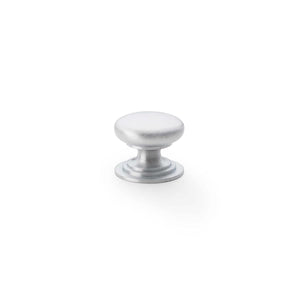
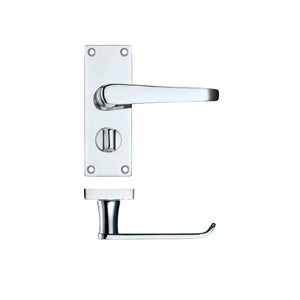
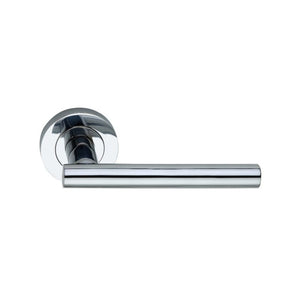
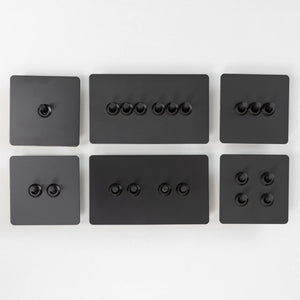
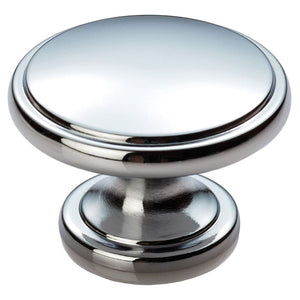
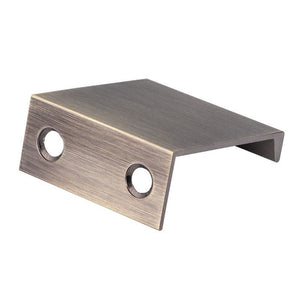
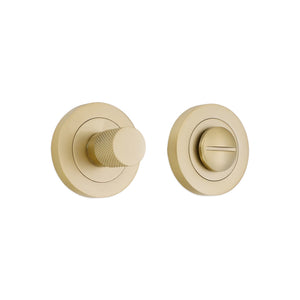
Think door knobs modern in shape, with a smooth feel and a no-nonsense look. You’ll often spot these in homes that follow open-plan layouts or lean towards minimal, Scandi, or industrial interiors. Shapes are usually flat, geometric, or gently curved, and finishes lean cool and crisp, like matte black or a mirror-bright polished chrome.
For homeowners looking for something that feels fresh or quietly stylish, modern door levers and handles could be a good match. They don’t shout for attention, but they do quietly pull a space together.
What Is Traditional Hardware?
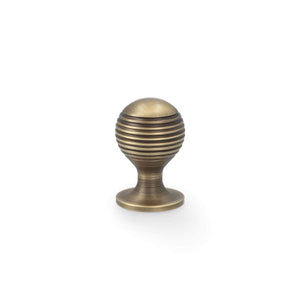
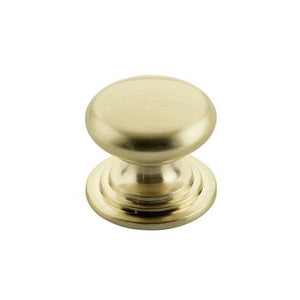
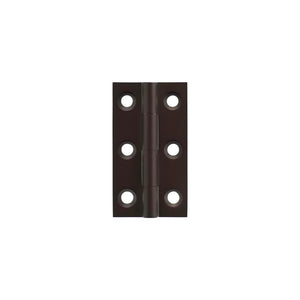
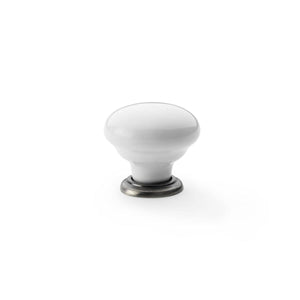
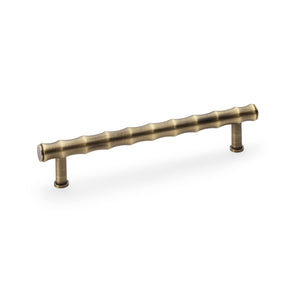
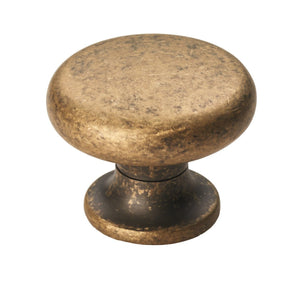
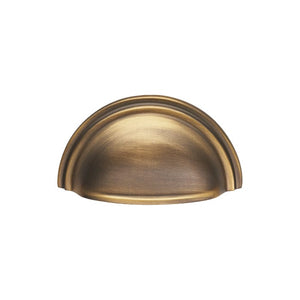
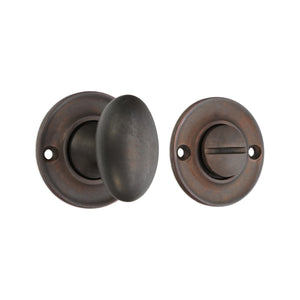
Traditional door hardware, on the other hand, tends to carry a little more history in its bones. You might notice antique door knobs shaped like rosettes or ovals, sometimes with intricate ridges or floral designs worked into the metal. This style typically suits older properties—Victorian terraces, country cottages, or even newer homes trying to weave in some character.
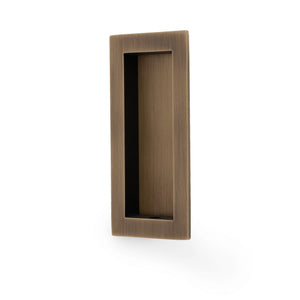
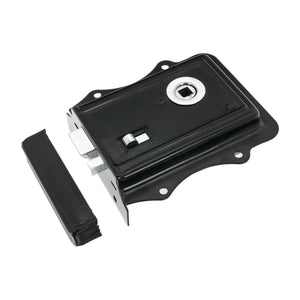
The finishes often look softer, sometimes slightly worn or brushed to feel lived-in brass, bronze, or an aged pewter. Unlike their modern cousins, traditional door knobs usually come with more visible mechanics, like a separate keyhole.
If you’re looking to create that sense of timelessness, explore our antique collection for beautiful, classic options.
Design and Aesthetics

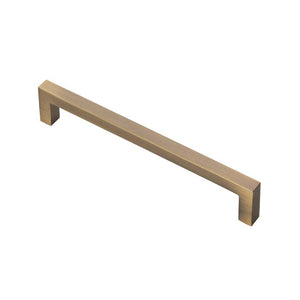
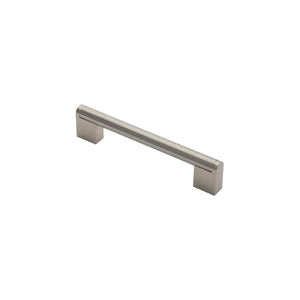
Modern hardware often plays it cool—door knobs modern in style tend to favour smooth surfaces, slim silhouettes, and right-angled forms.
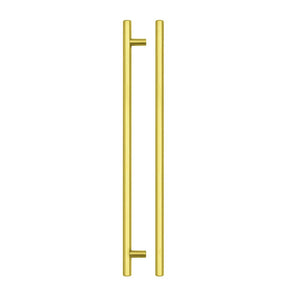
Modern door levers usually mirror this mood too, often slimline and ergonomic, with barely a curve in sight. It’s a style that’s very easy on the eye and just melts into contemporary spaces.
Traditional hardware, by contrast, feels a little more dressed-up. Shapes can be more rounded, more ornate, and tend to echo architectural eras—Georgian curves, Victorian flourishes, or Edwardian simplicity. Antique door knobs often bring that comforting sense of weight and history into your hand.
In short, if you prefer simple and sharp, modern could be your match. If you're after something that tells a bit more of a story, traditional might just win your heart.
Finish Options
Finishes can shape the whole mood of your interior, more or less at a glance. For modern designs, you’ll often spot polished chrome, matte black, or satin nickel popping up—each bringing that clean, cool feel. They work best in spaces where you want a bit of sparkle without fuss, or a subtle contrast against neutral walls.
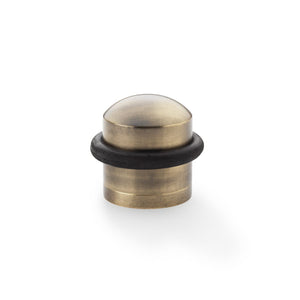
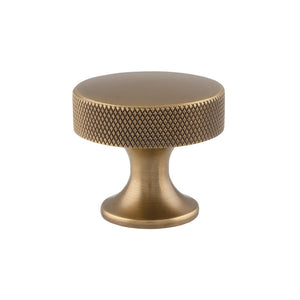
Traditional hardware leans into richer tones—think brass, bronze, or pewter. These finishes usually carry a slight patina, adding depth and warmth that fits beautifully into period homes or cosy settings.
When deciding between chrome vs brass door handles, think about your wider palette too: bright metals often suit airy, minimalist rooms, while deeper tones blend better with textured, layered interiors.
Locking Mechanism

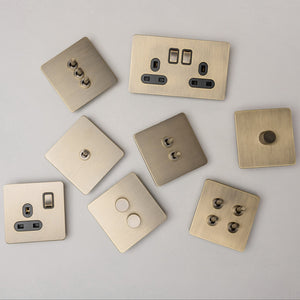
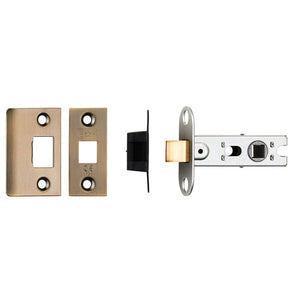
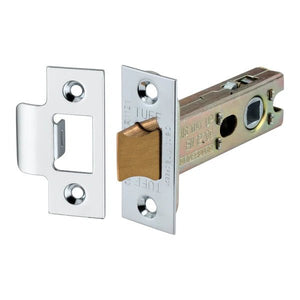
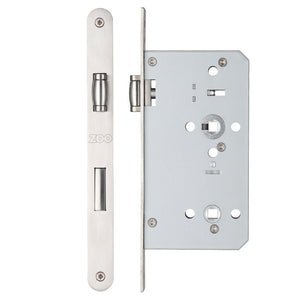
Modern door hardware tends to keep locking mechanisms subtle. Often, you’ll find the lock neatly built into the handle or hidden away, keeping those clean lines uninterrupted. It's a style that matches today’s expectations for security without adding clutter.
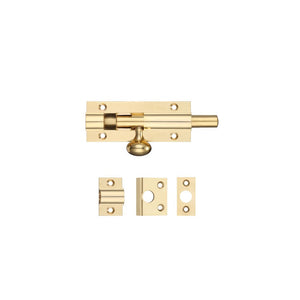
Traditional door hardware, by comparison, usually makes a bit more of a feature out of the locking system. You might notice a separate keyhole or a visible lock case, which often adds to the period charm. For those restoring a heritage home, these small details could be the difference between looking authentic and feeling out of place.
Cost
Cost can sometimes surprise you—modern door levers with a simple shape might look affordable at first glance, yet premium finishes or designer brands can push prices up fairly quickly. On the other hand, traditional door hardware, especially antique door knobs with intricate patterns or custom casting, tends to be priced a bit higher straight away.
Intricacy, finish, and material all influence the final figure. In some respects, a sleek satin nickel handle might cost less than a hand-aged brass knob. Still, whether you're splashing out or sticking to a budget, there are beautiful options across both classic and contemporary hardware styles.
Sustainability

Sustainability often sneaks into the conversation when choosing interior door hardware styles, even if it’s not top of mind at first. Modern pieces tend to use lightweight alloys or recycled metals, which can lower their environmental footprint a little. Traditional door hardware, especially if you opt for solid brass or bronze, usually lasts longer, sometimes for decades without needing replacement.
If you’re thinking about greener choices, look for products made from responsibly sourced materials or with finishes that avoid heavy chemical treatments. In a way, choosing quality once, whether modern or traditional, often beats replacing cheaper options twice.
At the end of the day, picking between classic vs contemporary hardware comes down to your home’s personality—and yours.
If you love crisp lines and a barely-there look, door knobs modern in design or slim modern door levers might be the perfect match.
If your heart leans toward a sense of history, traditional door hardware and antique door knobs could suit you better; your perfect fit is just waiting to be found.