Black Kitchen Handles: A Guide to Sizes, Shapes, and Placement
There’s something about black kitchen handles that just works. They look sharp, feel solid, and often add that one bit of edge a space was missing. You see them across all sorts of homes now – from glossy city flats to warm-toned shaker kitchens – and that’s no accident.
They sit right at the top of current kitchen handle trends UK-wide, and it's mostly down to how easy they are to pair with different cabinet colours, finishes, and layouts. The thing is, though, they’re not just about style. Get the kitchen handle sizes or placement slightly off, and suddenly the whole thing can feel... well, a bit off.
So, if you’re picking out modern black cabinet handles, this guide covers everything – from matte black kitchen hardware styles to handle placement tips and kitchen cabinet handle ideas that actually work in real homes.
Why Choose Black Kitchen Handles?

So many people lean toward black kitchen handles because they just seem to go with everything. Pale oak? Yep. Navy shaker? Definitely. Slab-front matt cabinets in soft grey? Perfect. It’s that blend of contrast and simplicity that keeps black looking fresh without stealing focus.
They’ve become a bit of a quiet staple in kitchen handle trends UK homeowners actually follow – not the fleeting kind. And beyond aesthetics, there’s something very practical going on. Fingerprints and smudges? Much harder to spot. Visible wear over time? Not so much.
Black works particularly well when you want a sharp break between cabinetry and hardware. The eye is drawn in just enough, without overdoing it. Whether you’re into matte black kitchen hardware or more of a satin finish, the effect tends to feel calm, clean, and deliberate.
Common Sizes and What They Suit
Picking the right kitchen handle sizes is about more than just what fits – it’s about what looks right, too. The size can shape how a unit feels to use, and how balanced it looks across your kitchen. Here’s a guide to help you choose more easily:
-
96mm centres – Ideal for small drawers and compact cabinets. A neat pick for tight spots.
-
128mm centres – Probably the most common size. Great for most base and wall units.
-
160mm centres – Slightly longer, these suit larger drawers or wide cupboard doors.
-
192mm centres – A bold choice for full-height pantry doors or deep pan drawers.
-
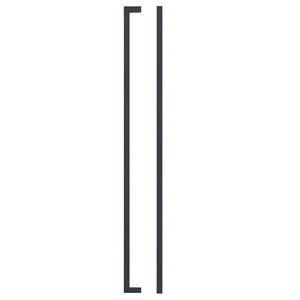
Long bar handles (320mm+) – Perfect for larder units or tall appliance cupboards. They make a statement, especially in modern black cabinet handles.
These common sizes work across a lot of kitchen cabinet handle ideas, but the trick is staying consistent across similar-sized units, or things can start to feel a little mismatched.
Popular Shapes and Styles

There’s a bit of an art to choosing the right shape. It’s not just about the way the handle looks – it’s how it feels in your hand, and how it fits with the kitchen’s overall look. Below are four go-to styles you’ll see in many kitchen cabinet handle ideas, with their own little personality quirks.
Bar Handles
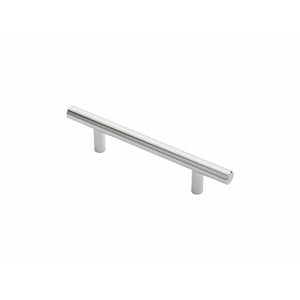
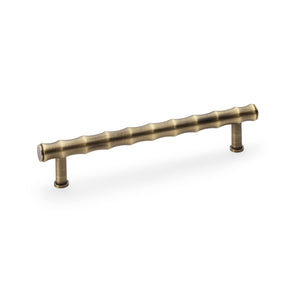
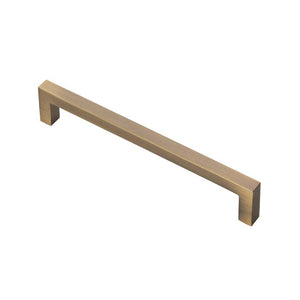
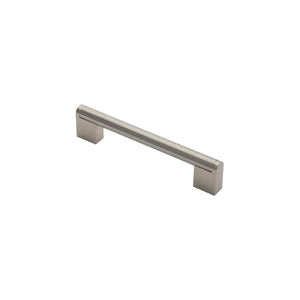
These are probably the most recognisable. Straight, clean, and usually mounted horizontally, bar handles are right at home in modern spaces. They’re especially good if you’re going for matte black kitchen hardware – they create a bold, graphic line across your cabinets.
Bow Handles
Softer by design, bow handles curve gently away from the surface. They tend to sit well in kitchens that mix old and new – for instance, a modern layout with shaker cabinets. Slightly more forgiving on fingers, too.
T-Pulls
A bit more minimal, T-pulls keep things clean without disappearing completely. Often used vertically on tall units, they can look quietly architectural, especially in slimmer profiles. A popular option in compact or sleek kitchen designs.
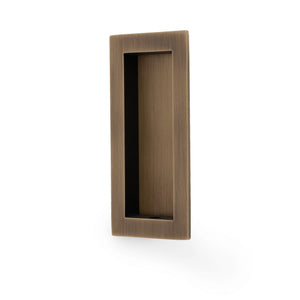
Recessed Pulls
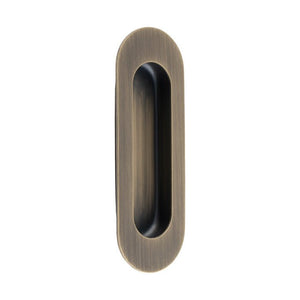
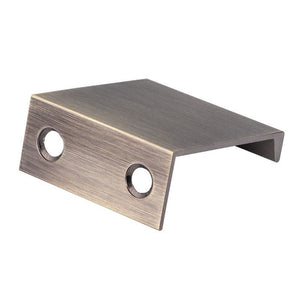
These sit flush with the door or drawer, giving a tidy, built-in feel. They’re spot-on for narrow galley kitchens or minimalist layouts where nothing sticks out unnecessarily. Plus, they pair nicely with high-gloss doors.
Where to Place Your Handles for Best Results
It’s surprisingly easy to get handle placement tips wrong – and when they’re just a few millimetres off, they can throw off the whole kitchen’s look. Worse still, poor placement can be a bit of a pain to use day to day.
Here’s how to position kitchen handles so they feel natural to grab and look properly aligned:
-
Drawers: Centre the handle both horizontally and vertically – or on tall drawers, space two evenly.
-
Cabinet doors: On base units, fit the handle near the top corner, around 40–60mm in from each edge. For wall cabinets, do the reverse – near the bottom corner.
-
Tall doors or appliances: Use vertical handles, centred horizontally, running the length of the comfortable reach zone (usually waist to eye-level).
So, it's partly about function, but more about flow. A wonky line of handles might not seem like a big deal, but you’ll notice it every time you walk past.
Tips for Getting a Balanced Look
Even with the best handles, it’s easy to lose the overall flow. Kitchens have a lot of visual lines, horizontal worktops, and vertical unit gaps, so the handle layout needs to feel steady and balanced. These handle placement tips will help:
-
Stay consistent with orientation – horizontal for drawers, vertical for tall doors.
-
Keep spacing equal – if handles look off-centre, they probably are.
-
Avoid crowding – don’t place handles too close together on double doors.
-
Match sizes where you can – or use the same shape in a range of lengths for larger units.
-
Stick to one style across the whole kitchen – mixing can work, but it’s rarely simple.
-
Step back and check – sometimes what looks straight close-up doesn’t from across the room.
These little shifts can make your whole space feel more thought-through, even if the cabinets themselves are fairly standard.
Getting your kitchen handles right isn’t about overthinking – it’s about the little decisions that bring everything together. Whether you’re leaning into a clean, modern setup or giving a classic kitchen a sharp refresh, black kitchen handles are a clever, stylish choice that tends to work across the board.
From shape and size to where they’re placed, even small changes can make a big difference to how a space feels and flows. And if you’re still figuring things out, there’s no need to rush it.
You can always browse the full Love Handles range for ideas – or just contact us if you’d rather get some direct advice.