5 Reasons Why Internal Doors Are Sticking
So, your door’s being awkward. You’re tugging, it’s catching, and frankly, it’s just not sliding across like it used to. That sticking feeling? It’s not just annoying – it’s a sign that something’s off.
Internal doors sticking tends to be one of those jobs you notice just enough to keep putting off. Still, the truth is, it usually doesn’t take much to figure out what’s going on – or to sort it yourself.
From changes in the weather to screws that won’t stay put, there are a few usual suspects behind the trouble. This article breaks down five of the most common reasons your internal door’s misbehaving – and the small fixes that can often get things gliding properly again. You might only need a screwdriver. Or maybe just a little sanding. Either way, you’re in the right place.
Humidity and Temperature Changes
When internal doors are sticking, especially in summer or damp months, moisture is usually the culprit. Wood expands as it absorbs water, and even a slight swell can make the door jam against the frame.
Poor ventilation makes it worse. Bathrooms, kitchens, or rooms without good airflow often trap moisture, causing the wood to puff out and press against the edges.
Older homes, or those with uneven heating, tend to show this more – one room dries out while another stays cool and damp, nudging the door out of shape.
To fix it, get air moving. Open windows, try a dehumidifier, or improve airflow with an extractor fan. If the swelling’s not settling, a light sand along the edge that’s rubbing can often sort it – just take off a little at a time.
It’s a small shift in the air, but it can throw the whole door off balance.

Paint Buildup on the Door or Frame
Layered paint can quietly thicken a door over time. It might not seem like much, but a few coats in the wrong places – along the edges, hinges or frame – can be enough to make things stick.
Internal doors sticking from paint buildup tend to catch evenly across the edge or rub at one particular point. You might notice rough spots or flaking where the door's been scraping.
Light sanding usually helps, especially along any raised edges. If the buildup’s on the frame, a sharp blade or chisel can carefully trim it back. Just go slow to avoid taking too much off.
Painted-over hinges can add to the problem. A quick clean or strip-back can help the door move more freely.
It’s a simple fix, but one that makes a surprising difference – especially if your door’s been layered up year after year.
Misaligned or Loose Hinges
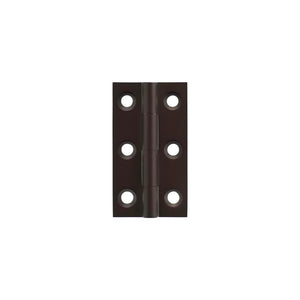
Hinges tend to loosen gradually – just enough to throw the door off-centre. When that happens, the door can drag, catch, or press too tightly in one corner.
A quick way to spot it? Try the “credit card test” – slide a card around the edge of the door. If it sticks in one part but glides elsewhere, you’ve likely got a hinge issue.
Start by tightening the screws. If they keep spinning, replace them with longer ones that grip deeper into the frame. For worn holes, a matchstick dipped in wood glue can bulk it out before re-screwing. Old trick, but it works.
If that still doesn’t sort it, check if the hinge needs moving slightly. Shifting it up or down by a few millimetres can straighten things out just enough to stop the door rubbing. It’s a small tweak, but it can make a big difference.

Swollen or Warped Wood
Moisture doesn’t just make wood swell – it can slowly bend or twist it too. That’s when internal doors start catching for no obvious reason.
Softwoods like pine are more prone to soaking up damp, especially if they’re not properly sealed. Over time, that can lead to slight warping, which throws the door out of line.
Look for signs like a curved middle or corners that don’t sit flush. It’s often subtle but just enough to cause sticking.
Letting the door dry naturally might help, especially if it’s been exposed to humidity. If needed, gently sanding the swollen edge can smooth things out.
To avoid it happening again, seal the door – including the top and bottom edges – with a weatherproof finish. That bit’s easy to miss, but it makes a big difference in keeping moisture out.
Structural Shifts in the Building
Sometimes, it’s not the door – it’s the house. Buildings shift over time. Floors settle, walls shift ever so slightly, and suddenly your once-perfect door doesn't close properly.
If your internal doors are sticking and you've ruled out moisture or paint, have a look around the frame. Uneven gaps, crooked angles, or even small cracks nearby could be signs the building's moved just enough to throw things off.
This tends to show up more in older homes, or right after big changes like new flooring, loft extensions or seasonal temperature swings that affect the structure.
If the frame has twisted a bit, you might be able to sand down the door where it’s rubbing – but that’s usually a short-term fix. For anything more obvious, like warping around the frame or cracks in the plaster, it’s worth speaking to a builder or surveyor. They’ll spot whether it's cosmetic or something that needs sorting properly.
So, if your internal doors are sticking, it’s rarely random. There’s usually a reason – and more often than not, a straightforward fix. Whether it’s humid weather swelling the wood, hinges working loose over time, or a bit too much enthusiasm with the paintbrush, most causes are easy enough to spot once you know what to look for.
The key is to figure out why it’s sticking before you reach for the tools. A bit of sanding, tightening or airing out could be all it takes. But if the problem points to deeper structural changes, it’s probably time to call someone in. Either way, it doesn’t have to stay stuck for long.